
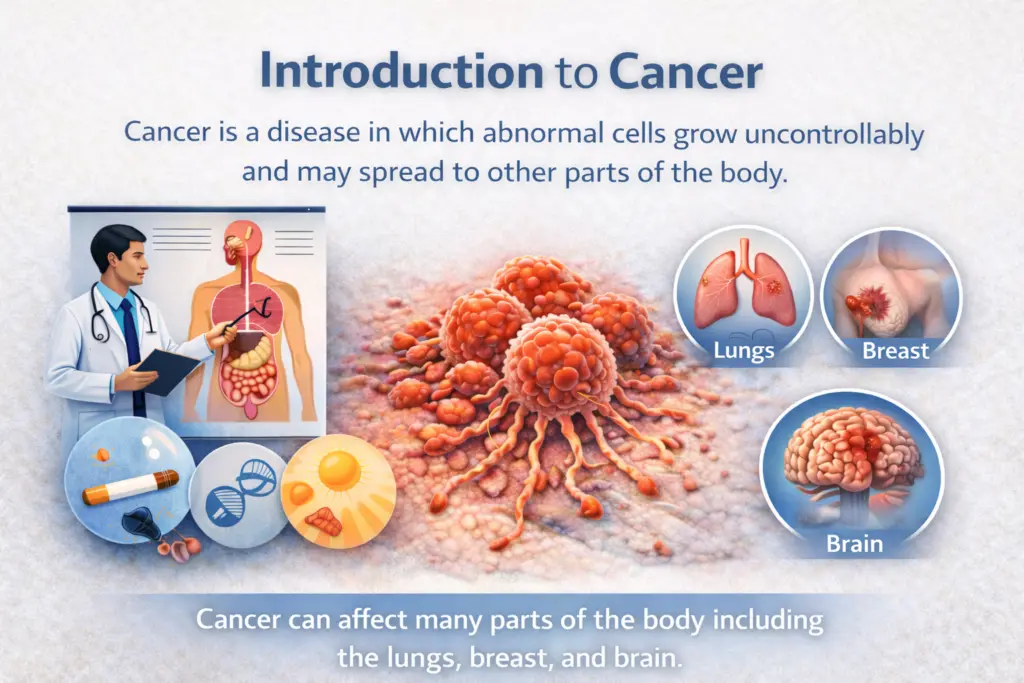
Cancer is one of the deadliest diseases affecting millions of people around the world today. When abnormal cells in the human body grow faster than logic dictates and spread into other areas of the body, we begin to see what we know as cancer. All human cells grow, divide, and die by following a defined process called ‘the cell cycle. ‘ Cancer cells disregard these signals and continue dividing, producing new cancer cells, forming a mass of cancerous cells that can eventually develop into a tumor or spread to adjacent tissues and/or distant parts of the body via the lymphatic system or blood vessels.
Cancer can develop in virtually any portion of the human body, such as lungs, breasts, skin, intestines, blood, prostate, and brain; many people didn’t expect to survive a diagnosis of cancer as advances have been made in treating and recognizing cancers due to increased awareness from research into cancer, early detection of cancers, and modern cancer treatments.
Understanding what causes cancer, its signs, prevention, recognition of warning signs (which could help to save a life), and the present and future potential for treating a diagnosed condition will help people recognize that they need to take care of themselves through lifestyle choices that can contribute to the growth of cancer in their bodies. Thus, the more we understand about cancer, the greater our potential to improve everyone’s overall quality of life.
Types of Cancer
| Type of Cancer | Description |
|---|---|
| Overview | Cancer is not one type of disease but rather a collection of more than 100 different types of diseases that are grouped into groups. The different types of cancer are grouped based on the cell (or tissue) they arise from. |
| Carcinomas | Carcinomas are the most common types of cancer and make up 80-90% of all cancer cases. Carcinomas start from epithelial cells, which are the cells that form a barrier on the outer surface of the skin or line the inside of organs like the lungs or breast. Examples of carcinomas are breast cancer, lung cancer, prostate cancer, and colorectal cancer. |
| Sarcomas | Sarcomas originate in connective tissues like bones, muscles, fat, cartilage, and blood vessels. Sarcomas are less frequently occurring cancers but can occur in numerous different parts of the body. |
| Leukemia | Leukemia originates from the blood and bone marrow. The abnormal leukemia white blood cells produced in the blood and bone marrow will allow the body to fight infections less effectively. |
| Lymphomas and Myelomas | These are types of cancers that will occur in the lymphatic system, which is a vital part of the immune system and includes the following: lymphatic tissues and lymph nodes, where lymphomas develop; and blood plasma cells in the bone marrow, where myelomas develop. |
| Cancers of the Central Nervous System | These types of cancers develop within the brain or spinal cord and would include tumors such as gliomas and astrocytomas. |

Causes and Risk Factors of Cancer
Cancer is caused by genetic changes that impact how our cells function normally. There are two main types of mutations: inherited and environmental (or lifestyle). Additionally, we can use knowledge of these risk factors to help lower our chance of developing cancer.
The following are risk factors for cancer, organized into categories for convenience.
Genetic Factors
Some individuals have inherited mutations in the genes that increase their risk of developing specific cancers, such as BRCA 1/2 (breast and ovarian cancer).
Age
As we get older, our risk of developing cancer increases because of the cumulative damage that happens to our DNA over time.
Lifestyle Factors
A major component of lifestyle-based cancer risk is our choices regarding how we live, including but not limited to the following:
- Smoking/tobacco use.
- Drinking large amounts of alcohol.
- Unhealthy eating habits/obesity.
- Little or no exercise.
- Being exposed to the sun (UV radiation).
Environmental Exposure.
Risk factors may also include exposure to elements that can cause cancer, such as asbestos, radon gas, air pollution, and/or industrial chemicals.
Infections.
Certain types of infections can lead to cancer. including but not limited to:
- Human papillomavirus (HPV) causes cervical cancer.
- Hepatitis B and C cause hepatitis (liver).
- Helicobacter pylori can cause gastric cancer (stomach).
The aforementioned risk factors, together with early melanoma detection and prevention measures, should allow many types of cancer to be avoided or detected before the cancer has advanced.
Common Symptoms of Cancer
The symptoms associated with cancer can vary based on the type of cancer, where it is located, and other factors; therefore, sometimes, there might be few to no symptoms during the earlier phases of one’s cancer, which is why it is important to get routine health examinations from a healthcare professional.
A few examples of general warning signs of cancer are the following:
- Unexplained weight loss
- Extreme fatigue or weakness
- Tumours on your body or in your lymph nodes
- Changes to the way your skin or moles look
- Chronic cough or hoarseness
- Abnormal bruising or bleeding
- Difficulty swallowing
- Changes in bowel or bladder patterns
- Ongoing and unresolved pain
If you encounter a combination of these symptoms for an extended period, it is prudent to see a healthcare provider to identify the underlying cause of your symptoms.

Stages of Cancer
Typically, cancer is classified into different stages based on how advanced the tumor is and whether or not it has spread to other places in the body.

Stage 0
Abnormal cells are present at this stage, but they have not yet left the area of origin.
Stage 1
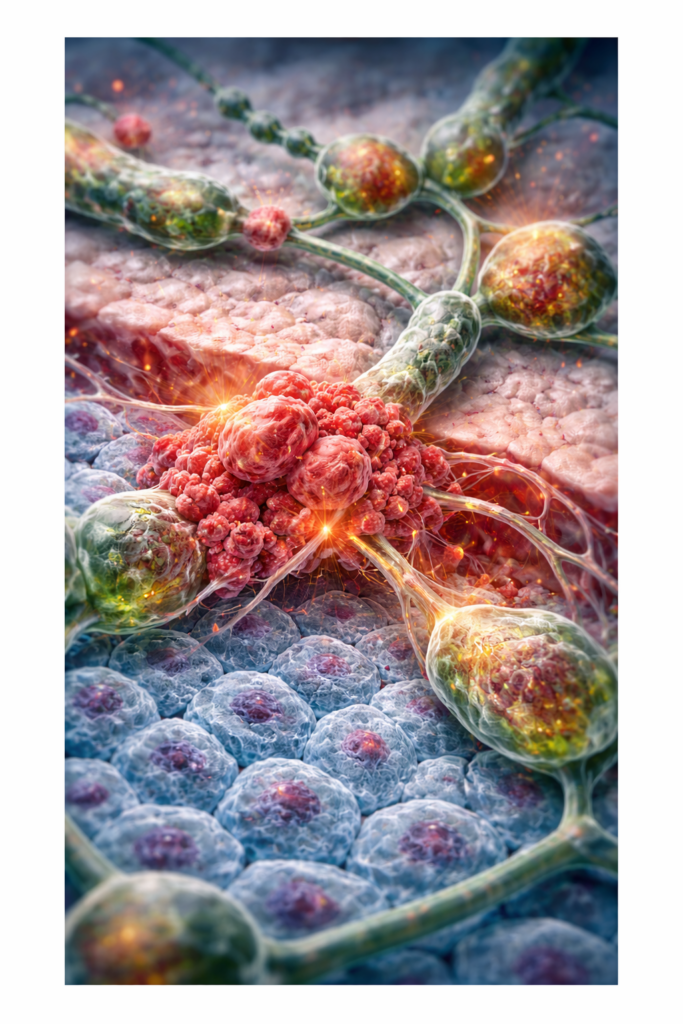
Typically, at stage 1, there is a small cancer, local to where it first began growing in the body.
Stages 2 & 3
As the tumor grows larger, it may invade or choose to spread into local lymph nodes or surrounding tissues.

Stage 4
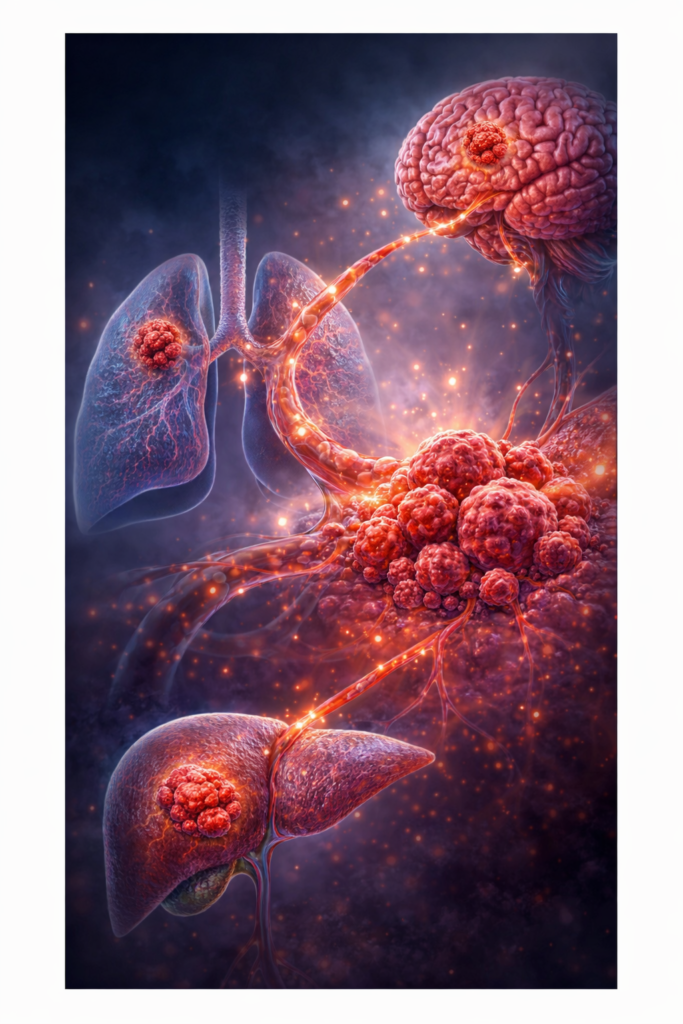
Stage 4 indicates cancer has spread (metastasized) to other distant organs in the body, such as the liver, lung, or brain.
By staging cancer, physicians are better able to determine what treatment course will produce the ideal results possible.
Diagnosis and Screening
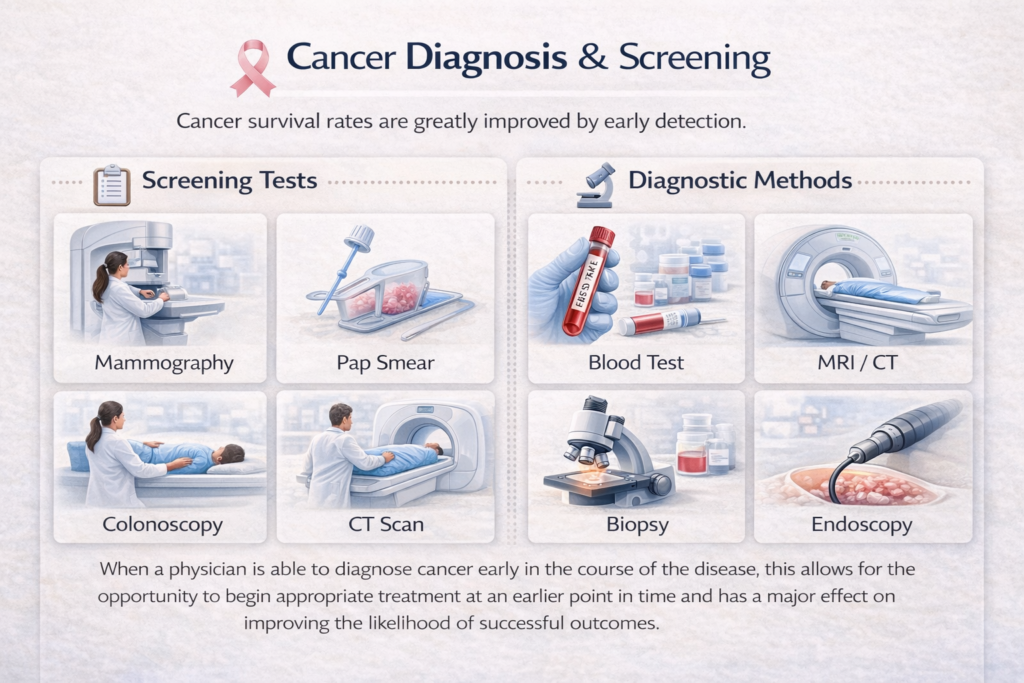
Early detection greatly improves cancer survival rates. Early detection through screening tests allows the physician to diagnose and treat cancer before it produces any clinical symptoms. Once a patient has been screened for cancer and a potential diagnosis made, additional testing is necessary to confirm that diagnosis.
The most common screening tests performed in the United States are:
- Breast: Mammography.
- Cervix: Pap Smear and HPV Testing.
- Colorectum: Colonoscopy.
- Lung: Low-dose CT scan.
- Prostate: PSA blood test.
Once a patient has been screened for potential cancer, the physician may perform some diagnostic methods to determine with certainty whether or not the patient has cancer. The following are the most commonly used diagnostics:
- Laboratory or blood tests.
- Imaging tests: CT, MRI, and PET scans.
- Biopsy of tissue.
- Endoscopy examination of internal organs.
When a physician is able to diagnose cancer early in the course of the disease, this allows for the opportunity to begin appropriate treatment at an earlier point and has a major effect on improving the likelihood of successful outcomes.
Cancer Treatment Options
The type, stage, and overall health of the person being treated will determine the type of treatment for cancer. There are multiple types of treatments available from Modern Medicine for treating cancer, whether used separately or in combination.
Surgery
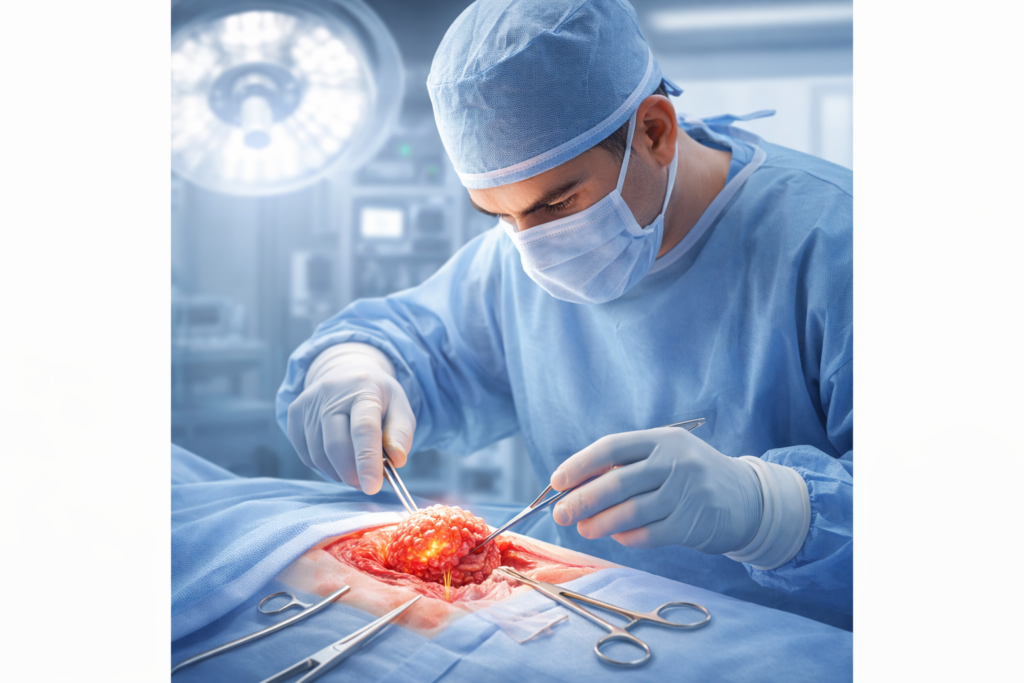
Through surgery, the doctor can remove cancer tumors and the surrounding tissue that is affecting those cancer tumors.
Chemotherapy
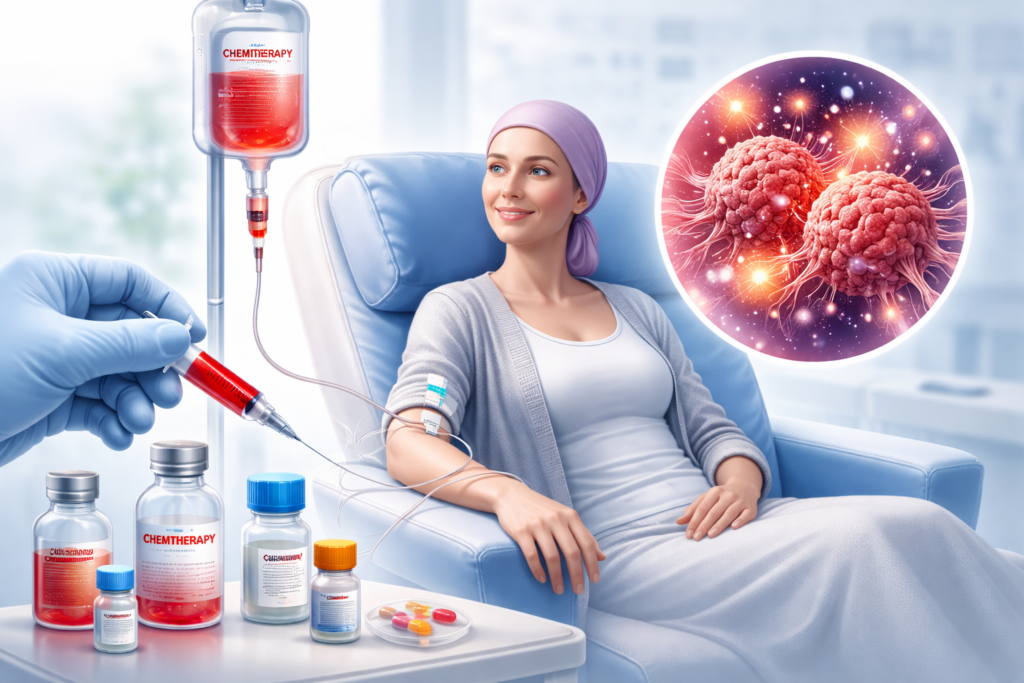
Through chemotherapy, the doctor can utilize strong drugs to kill or inhibit the reproduction and growth of cancer cells.
Radiation
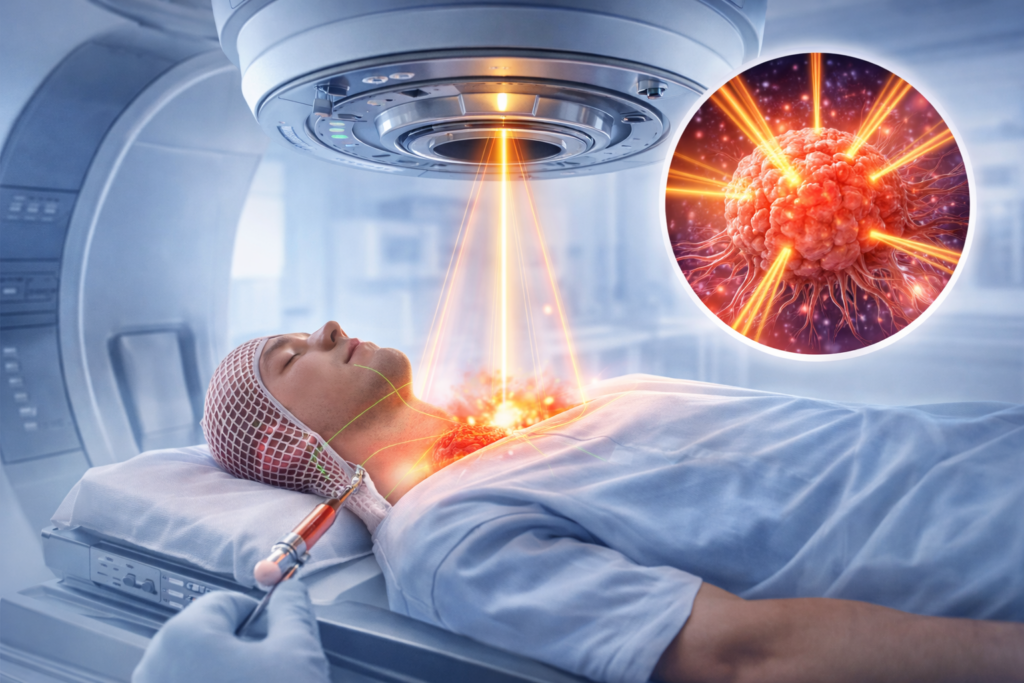
Radiation is another method that utilizes high-energy radiation beams to kill cancer cells or to reduce tumor size.
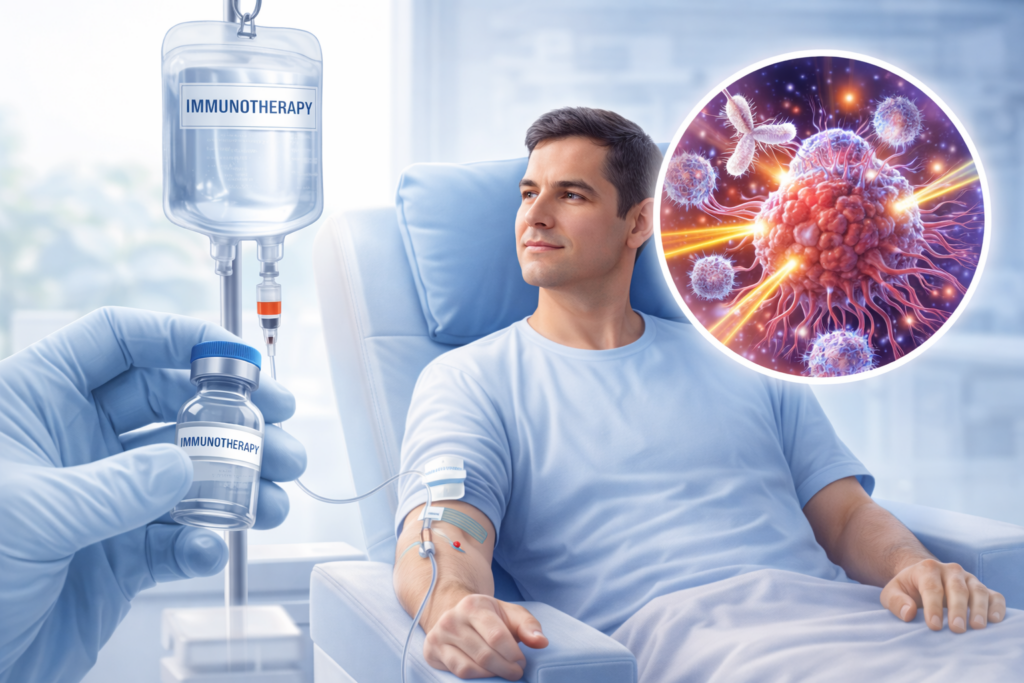
Immunotherapy
By using immunotherapy, the doctor will strengthen a patient’s immune system so that it can identify and attack cancer cells.
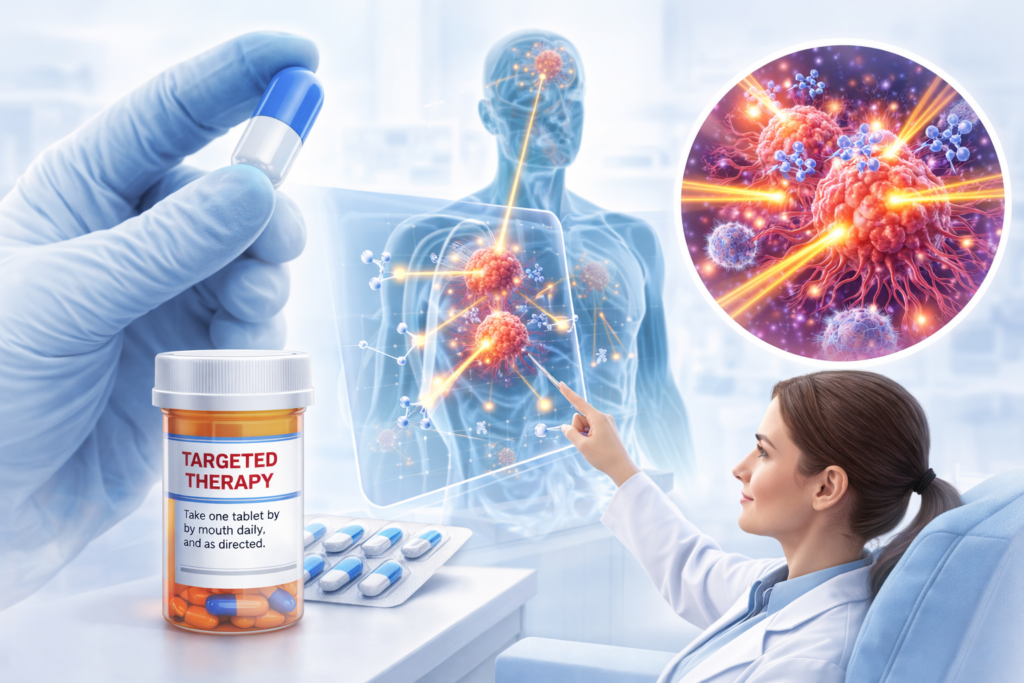
Targeted Therapy
Targeted therapy works by identifying specific genetic alterations of cancer cells and inhibiting their growth.
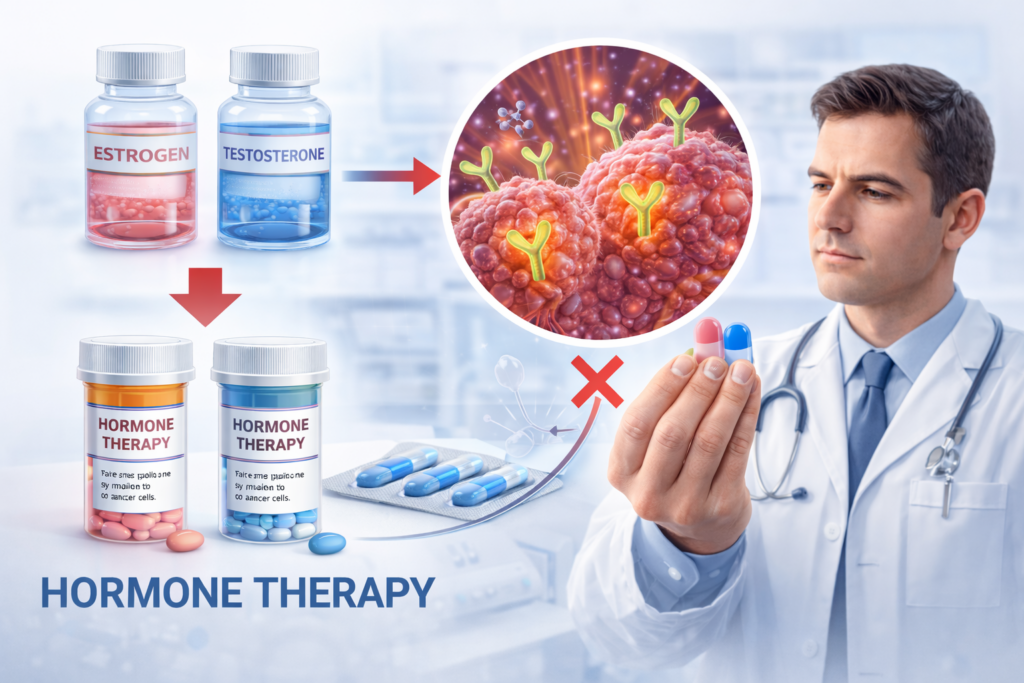
Hormone Therapy
For cancers like breast and prostate, hormone therapy blocks hormones that help cancer cells grow.
In general, when treating a patient, doctors will attempt to use a combination of all these methods to ensure they are providing the patient with the greatest chance of successfully overcoming their cancer.
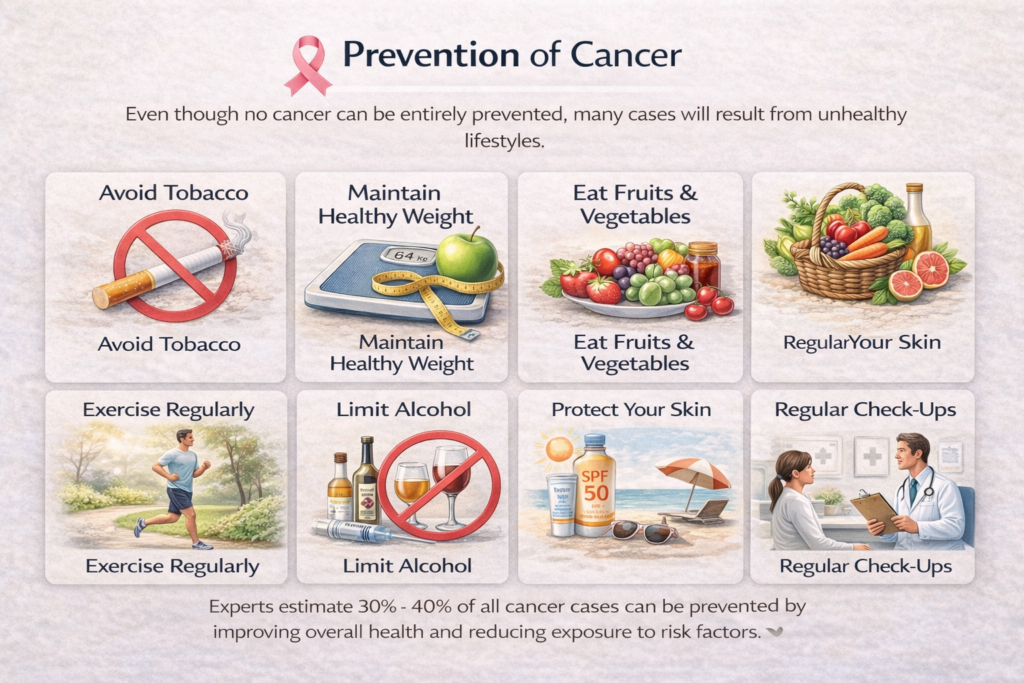
Prevention of Cancer
Even though no cancer can be entirely prevented, many cases will result from very poor decisions in their daily routines.
By making positive changes to our daily lives, we can help decrease our chances of developing cancer:
- Avoiding tobacco;
- Maintaining a healthy weight;
- Eating lots of fresh fruits & vegetables;
- Exercising regularly;
- Limiting how much alcohol we consume;
- Protecting our skin from the harmful rays of the sun;
- Getting vaccinated (i.e, to prevent exposure to the HPV virus and also HepB);
- We should regularly visit medical professionals for health check-ups to ensure that everything is functioning normally.
Health experts estimate that 30%–40% of all cancer cases (both preventable and non-preventable) can be prevented by improving our overall health and reducing the frequency of exposure to risk factors.
Living with Cancer

The experience of living with cancer is difficult both physically and emotionally. It is, however, more manageable today than ever before, thanks to tremendous advancements in the medical field that have led to improved treatment outcomes and higher survival rates for cancer patients.
Healthcare providers, family and friends, and support groups provide essential support to individuals who are coping with cancer. By living a healthy lifestyle, controlling stress levels, and adhering to medical directions, cancer patients may improve their quality of life.
Conclusion
Around the world, cancer is still one of the most common reasons people die. Fortunately, there is now greater awareness about cancer, earlier detection of it, and better treatments than ever before, so patients with cancer have much greater chances of surviving than any other time in history. Therefore, it is important to understand what causes cancer, its signs and symptoms, and how to prevent the development of cancer so that people can decrease their chance of developing the disease and/or, if they do develop it, that they have the best chance possible of surviving.
VeniceCare’s goal is to provide accurate health information and raise awareness of diseases such as cancer. By promoting early screening and preventative health care, we can assist you in being healthier and living longer!
FAQs – What Is Cancer? Causes, Symptoms, Stages, Treatment & Prevention Guide
What is cancer?
Cancer is a disease where abnormal cells grow uncontrollably and may spread to other parts of the body. It can affect almost any organ or tissue, including the lungs, breast, colon, prostate, blood, skin, and brain.
What causes cancer?
Cancer develops due to genetic mutations that disrupt normal cell growth. Common risk factors include smoking, alcohol use, obesity, poor diet, radiation exposure, chronic infections, environmental toxins, and family history. (Venice Care Clinic)
What are the early warning signs of cancer?
Early symptoms vary depending on the cancer type, but common signs include unexplained weight loss, persistent fatigue, unusual bleeding, lumps, chronic pain, skin changes, difficulty swallowing, and a persistent cough.
What are the most common types of cancer?
Some of the most common cancers in the United States include breast cancer, lung cancer, prostate cancer, colorectal cancer, skin cancer, and leukemia.
How is cancer diagnosed?
Doctors use a combination of physical exams, blood tests, imaging scans, biopsies, and laboratory analysis to confirm a cancer diagnosis and determine how advanced it is.
What are the stages of cancer?
Cancer is commonly staged from Stage 0 to Stage 4. Early stages are localized, while advanced stages indicate spread to nearby tissues or distant organs.
What does Stage 4 cancer mean?
Stage 4 cancer means the disease has metastasized, or spread, to distant parts of the body. Treatment at this stage focuses on slowing progression, reducing symptoms, and improving quality of life.
Can cancer be cured?
Some cancers can be cured if detected early and treated effectively. Others may become chronic conditions managed through long-term treatment and monitoring.
What are the main cancer treatment options?
Common cancer treatments include surgery, chemotherapy, radiation therapy, immunotherapy, targeted therapy, hormone therapy, and supportive care depending on the cancer type and stage.
What is chemotherapy?
Chemotherapy uses powerful drugs to destroy rapidly growing cancer cells. It may be used alone or combined with surgery, radiation, or immunotherapy.
What is immunotherapy for cancer?
Immunotherapy helps the immune system recognize and attack cancer cells more effectively. It is now used for several cancers, including melanoma, lung cancer, and certain blood cancers.
Can lifestyle changes help prevent cancer?
Yes. Avoiding tobacco, limiting alcohol, maintaining a healthy weight, exercising regularly, eating a balanced diet, protecting skin from UV exposure, and staying up to date with screenings can reduce cancer risk. (Venice Care Clinic)
Is cancer hereditary?
Some cancers have a genetic component and may run in families. However, most cancers are linked to lifestyle and environmental factors rather than inherited genes alone.
What foods may help reduce cancer risk?
A diet rich in fruits, vegetables, whole grains, lean proteins, and antioxidant-rich foods may support overall health and lower cancer risk.
How important is early cancer screening?
Early screening can detect cancer before symptoms appear, improving treatment success rates and survival outcomes. Mammograms, colonoscopies, Pap tests, and low-dose CT scans are commonly recommended screenings.