
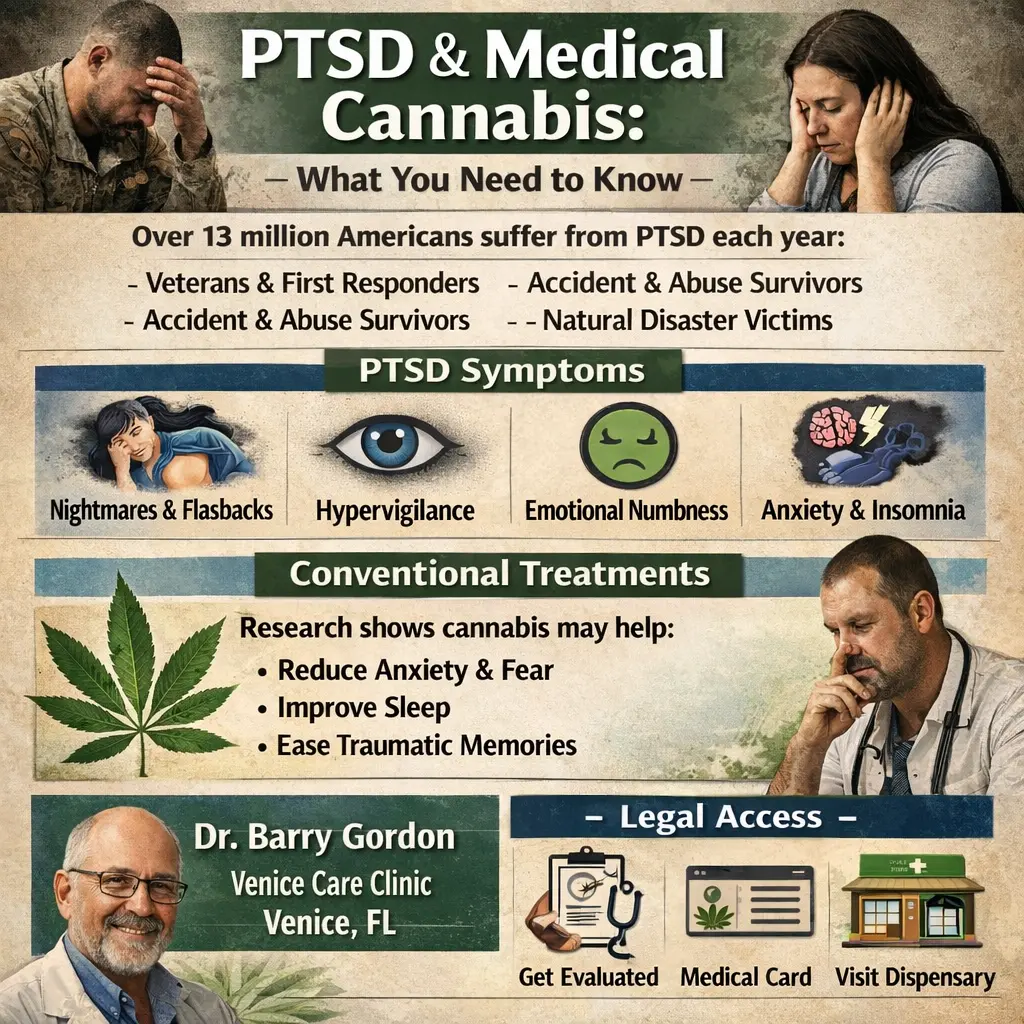
Post-Traumatic Stress Disorder (PTSD) affects more than 13 million Americans each year. It impacts people from all walks of life — veterans, first responders, accident survivors, and individuals who have experienced abuse or trauma. Living with PTSD can feel overwhelming, with symptoms like nightmares, anxiety, emotional numbness, and constant hypervigilance disrupting daily life.
While traditional treatments such as therapy and medications help many people, they don’t work for everyone. In recent years, medical cannabis has emerged as a promising alternative for PTSD symptom relief — especially for patients who haven’t found success with conventional approaches.
In Florida, PTSD is a qualifying condition for medical marijuana, giving patients legal access to this treatment under the guidance of a certified physician.
What Is PTSD? Understanding the Condition
PTSD is a mental health condition that develops after experiencing or witnessing a traumatic event. This could include combat exposure, serious accidents, natural disasters, or personal trauma such as abuse.
The condition affects how the brain processes fear and memory. Instead of moving past a traumatic experience, the brain stays “stuck” in a heightened state of alert, causing ongoing psychological distress.
PTSD is not a sign of weakness — it is a medically recognized condition involving real neurological changes in the brain.
Quick Answer: Can Medical Cannabis Help PTSD?
Medical cannabis may help relieve PTSD symptoms such as anxiety, insomnia, and nightmares by interacting with the body’s endocannabinoid system. It works by calming the brain’s stress response and improving emotional regulation. However, results vary, and treatment should always be guided by a qualified doctor.
Is PTSD a Mental Illness or a Disorder?
It is classified as a trauma- and stressor-related disorder in the DSM-5 (Diagnostic and Statistical Manual of Mental Disorders, Fifth Edition). While it is a mental health condition, many clinicians prefer the term ‘disorder’ because it emphasizes the neurological and physiological components of the condition — PTSD literally rewires how the brain processes fear and memory. It is not a character flaw or a sign of weakness; it is a medical condition with measurable biological markers.
What Are the 7 Symptoms of PTSD?
PTSD symptoms typically fall into several categories, and they can vary in severity from person to person.
1. Intrusive Memories
Unwanted thoughts, flashbacks, or vivid recollections of the traumatic event.
2. Nightmares
Recurring dreams related to the trauma that disrupt sleep.
3. Avoidance Behavior
Avoiding people, places, or situations that trigger memories.
4. Emotional Changes
Feelings of guilt, detachment, or emotional numbness.
5. Hypervigilance
Constant alertness, being easily startled, and difficulty relaxing.
6. Risky or Self-Destructive Behavior
Impulsive decisions or substance misuse.
7. Sleep Disturbances
Insomnia or poor-quality sleep that worsens other symptoms.
If left untreated, PTSD can significantly affect relationships, work, and overall quality of life.
In severe cases, untreated PTSD symptoms can escalate to suicidal ideation. This is why early, effective treatment is critical.
| Symptom | Description |
|---|---|
| Intrusive Memories | Unwanted, distressing recollections of the traumatic event, including flashbacks. |
| Nightmares | Recurring, distressing dreams related to the traumatic experience. |
| Avoidance | Steering clear of people, places, thoughts, or situations that trigger memories of the trauma. |
| Negative Changes in Mood & Thinking | Persistent guilt, shame, detachment from others, or emotional numbness. |
| Hypervigilance | Constant state of high alert, easily startled, and unable to relax. |
| Self-Destructive Behavior | Reckless driving, substance misuse, or other risky actions. |
| Sleep Disturbances | Chronic insomnia or disrupted sleep patterns that worsen other symptoms. |
Why Traditional Treatments Don’t Always Work
Standard PTSD treatments include antidepressants, cognitive behavioral therapy (CBT), and EMDR (Eye Movement Desensitization and Reprocessing). While these methods are effective for many patients, some individuals continue to experience persistent symptoms.
Common challenges include:
- Medications that cause unwanted side effects
- Therapy that feels emotionally overwhelming
- Limited improvement in sleep and anxiety
This gap in treatment effectiveness is one reason patients are exploring medical cannabis as an additional option.
How Medical Cannabis Works for PTSD
Medical cannabis interacts with the body’s endocannabinoid system, a complex network responsible for regulating mood, stress, sleep, and memory.
Two key compounds play a major role:
THC (Tetrahydrocannabinol)
- Helps reduce fear response
- May decrease nightmares
- Supports trauma processing
CBD (Cannabidiol)
- Reduces anxiety
- Promotes relaxation
- Balances the effects of THC
Together, these compounds influence the amygdala, the part of the brain responsible for fear and emotional responses. In PTSD patients, the amygdala is often overactive. Cannabis may help calm this response, reducing symptoms like anxiety and hypervigilance.
Benefits of Medical Cannabis for PTSD
Many patients report noticeable improvements in their symptoms when using medical cannabis under supervision. Some of the most common benefits include:
- Reduced anxiety and stress levels
- Better sleep and fewer nightmares
- Improved emotional balance
- Decreased hypervigilance
- Enhanced ability to engage in therapy
For some individuals, cannabis helps create a calmer mental state, making it easier to participate in other treatments like psychotherapy.
Extinction Learning: Can Cannabis Help You Move On from Trauma?
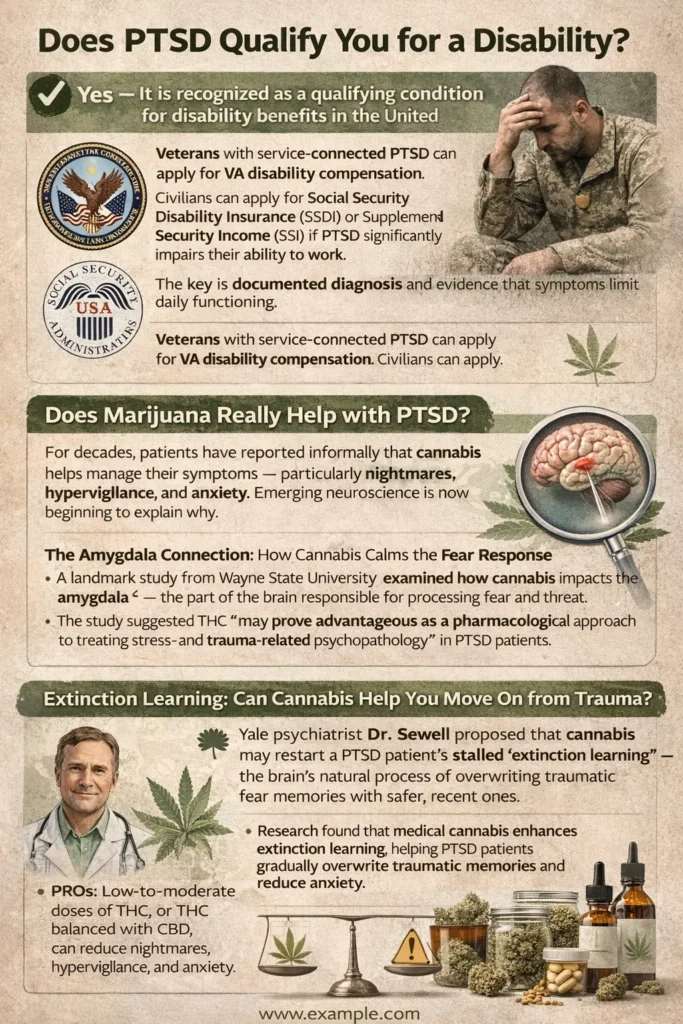
Yale psychiatrist Dr. R. Andrew Sewell first proposed that cannabis might help PTSD patients through a process called ‘extinction learning’ — the brain’s natural mechanism for overwriting traumatic fear memories with safer, more recent ones. In healthy individuals, extinction learning is why most trauma victims recover within months: new, non-threatening memories gradually override the old fear associations.
But in PTSD patients, this process breaks down. Research shows that people with this disease have impaired functioning of the endocannabinoid system — the same system that cannabinoids like THC and CBD directly stimulate. Specifically, cannabis activates CB1 receptors, which Sewell and subsequent researchers believe may restart the stalled extinction learning process.
A thorough 2020 review from Brazil’s Federal University of Parana analyzed controlled human trials from 1974 to 2020. The researchers found that low doses of THC — or THC combined with CBD — enhanced the rate of extinction for aversive memories and reduced overall anxiety responses. Their conclusion: current evidence from both healthy humans and patients suggests these cannabinoid formulations suppress anxiety and aversive memory expression without producing significant adverse effects.’
Is Marijuana Good or Bad for PTSD? Weighing the Evidence
The honest answer is: it depends on the patient, the dose, and the product. Research broadly supports that medical cannabis — particularly low-to-moderate doses of THC, or THC balanced with CBD — can reduce nightmares, hypervigilance, and anxiety in PTSD patients. High doses of THC, however, can increase anxiety and paranoia. This is why it is critical to work with a qualified medical cannabis physician who can assess your specific situation and recommend appropriate products and dosing.
Smoking cannabis may also worsen some PTSD symptoms and carries respiratory risks. Patients in Florida commonly access medical cannabis through tinctures, capsules, vaporizers, and edibles — forms that allow for more precise dosing.
What Cannabis Is Best for PTSD? A Guide to Products and Strains
THC vs. CBD: Which Is More Effective for PTSD?
Both THC (tetrahydrocannabinol) and CBD (cannabidiol) interact with the endocannabinoid system, but they work differently. THC is primarily responsible for the psychoactive effects — and the fear-dampening and extinction-learning benefits documented in research. CBD does not produce a high but acts as a modulator: it can reduce some of the anxiety-amplifying side effects of high-dose THC, and has its own anxiolytic (anti-anxiety) properties.
For PTSD, the research-supported approach is typically a balanced or low-THC formulation, sometimes combined with CBD. Products recommended for PTSD patients often include:
- Indica-dominant strains — known for their relaxing, sedating effects; commonly used at night to reduce nightmares and improve sleep.
- High-CBD / low-THC formulations — suitable for daytime use to manage anxiety without significant psychoactive effects.
- 1:1 THC:CBD ratio products — tinctures or capsules offering balanced relief that many PTSD patients find effective.
- Full-spectrum cannabis oil — contains a range of cannabinoids and terpenes that may work synergistically (the ‘entourage effect’).
The ‘best’ cannabis product for any individual with PTSD should be determined in consultation with a licensed medical cannabis physician — self-medicating without guidance can lead to dosing errors and potentially worsen anxiety.
| Category | Option | Best For | Key Benefits | When to Use |
|---|---|---|---|---|
| Cannabinoid Type | THC (Tetrahydrocannabinol) | Sleep issues, trauma processing | Reduces fear response, helps with sleep, supports extinction learning | Nighttime / controlled dosing |
| Cannabinoid Type | CBD (Cannabidiol) | Anxiety, mood stabilization | Non-psychoactive, reduces anxiety, balances THC side effects | Daytime |
| Strain Type | Indica-Dominant | Nightmares, insomnia, hypervigilance | Deep relaxation, sedating, improves sleep quality | Evening / before bed |
| Product Type | High-CBD / Low-THC | Daytime anxiety, stress | Clear-headed relief, minimal psychoactive effects | Morning / work hours |
| Product Type | 1:1 THC:CBD Ratio | Balanced PTSD symptoms | Combines benefits of THC + CBD, more stable effects | Day or night (adjust dose) |
| Product Type | Full-Spectrum Cannabis Oil | Chronic PTSD, overall symptom control | Entourage effect, multiple cannabinoids + terpenes working together | Long-term use |
What Helps PTSD Sufferers? A Full Spectrum of Treatment Options
Medical cannabis is not a silver bullet, and it works best as part of a comprehensive treatment plan. Here is what the current evidence says about approaches that help PTSD sufferers:
Trauma-Focused Psychotherapy
Cognitive Processing Therapy (CPT) and Prolonged Exposure (PE) therapy are considered gold-standard first-line treatments. EMDR (Eye Movement Desensitization and Reprocessing) also has strong evidence, helping patients reprocess traumatic memories so they lose their emotional intensity. Many patients find cannabis can lower their baseline anxiety enough to engage more productively in therapy.
What Exercises Are Good for PTSD?
Physical activity is a powerful, evidence-backed adjunct to PTSD treatment. Aerobic exercise (running, swimming, cycling) reduces cortisol and increases endocannabinoid levels naturally. Yoga and breathwork specifically address hypervigilance by training the nervous system to downshift. Even a consistent 30-minute walk five times a week has been shown to meaningfully reduce PTSD severity scores.
What Vitamins Are Good for PTSD?
Nutritional support can complement primary PTSD treatment. Key nutrients with supporting evidence include:
- Magnesium glycinate — supports sleep quality and reduces anxiety by regulating NMDA receptors.
- Omega-3 fatty acids (EPA/DHA) — associated with reduced PTSD symptom severity and improved mood.
- Vitamin D — deficiency is common in PTSD patients and linked to worsened depression and anxiety.
- B-complex vitamins — support healthy nervous system function and help regulate neurotransmitter production.
How to Rewire Your Brain After PTSD: Neuroplasticity and Recovery
The brain is more plastic than we once thought. Research shows that the hippocampus — which shrinks in PTSD patients due to chronic stress — can regrow neurons with the right interventions. Consistent therapy, mindfulness meditation, aerobic exercise, adequate sleep, and social support all stimulate neuroplasticity. Medical cannabis, by reducing the amygdala’s fear-response hyperactivity and facilitating extinction learning, may help create the neurological conditions in which this rewiring can take place.
Can You Get Prescribed Marijuana for PTSD in the USA?
Medical marijuana is not ‘prescribed’ in the traditional pharmaceutical sense — because cannabis remains a Schedule I substance at the federal level, doctors cannot write a prescription for it. Instead, qualified physicians issue a medical marijuana recommendation or certification, which allows the patient to apply for their state’s medical marijuana card.
Is PTSD a Qualifying Condition for Medical Marijuana in Florida?
Yes. PTSD is explicitly listed as a qualifying condition for medical marijuana in Florida under the Florida Medical Marijuana Legalization Initiative (Amendment 2). To receive a medical marijuana card for PTSD in Florida, you must:
- Have a documented diagnosis of PTSD from a qualified physician.
- Be evaluated by a Florida-licensed medical marijuana treatment center (MMTC) physician.
- Register with the Florida Department of Health’s Office of Medical Marijuana Use (OMMU).
- Receive your medical marijuana card (valid for one year, with annual renewal required).
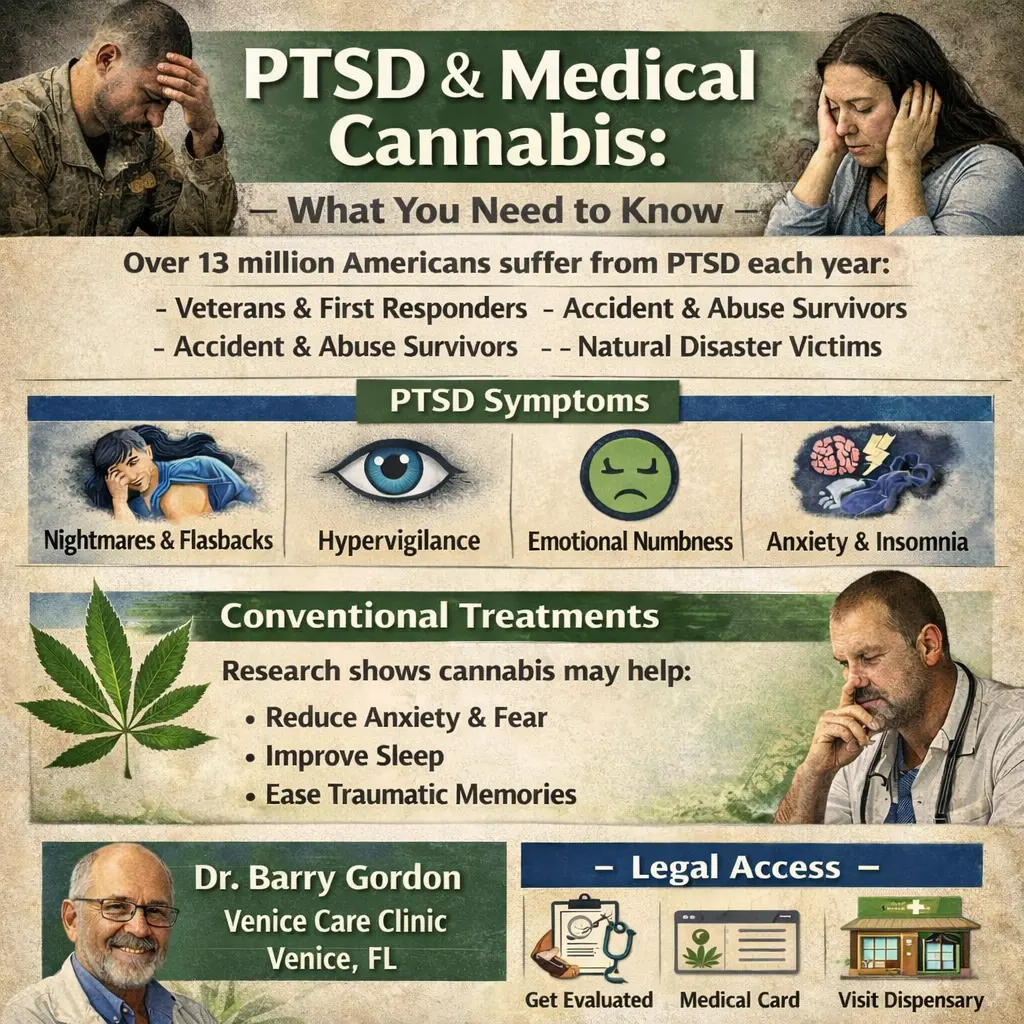
At Venice Care Clinic, Dr. Barry Gordon guides patients through this process, from initial evaluation to certification and ongoing follow-up care. The clinic serves patients across Venice, Sarasota, North Port, Englewood, and surrounding areas in Southwest Florida.
Why Choose Venice Care Clinic?
Choosing the right clinic can make a significant difference in your treatment experience.
Experienced Care
Led by Dr. Barry Gordon, specializing in PTSD evaluations.
Fast Approval Process
Get certified quickly and start treatment sooner.
Telehealth Options
Convenient consultations from the comfort of your home.
Personalized Recommendations
Tailored cannabis plans based on your symptoms and goals.
Ongoing Support
Continued guidance to adjust your treatment as needed.
Venice Care Clinic focuses on compassionate, patient-centered care to help you feel supported every step of the way.
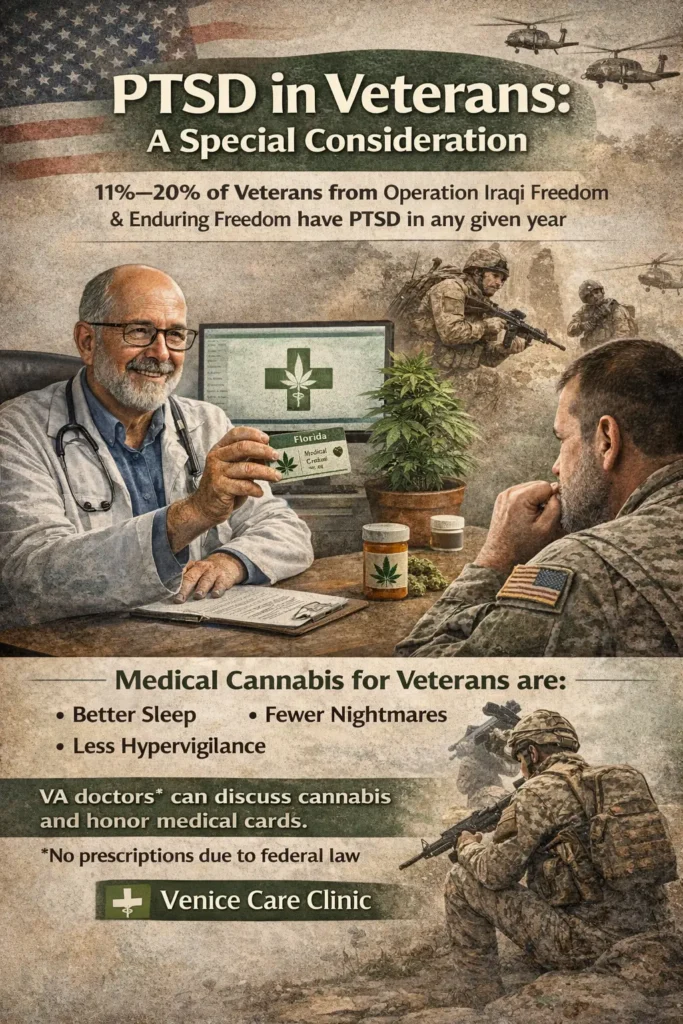
PTSD in Veterans: A Special Consideration
Veterans are disproportionately affected by PTSD — the VA estimates that between 11% and 20% of veterans who served in Operations Iraqi Freedom and Enduring Freedom have PTSD in any given year. Traditional VA treatments have limitations, and dropout rates from evidence-based therapy are high. Many veterans are now turning to medical cannabis, citing improvements in sleep, reduction in nightmares, decreased hypervigilance, and better overall quality of life.
It is important for veterans to know that while the VA cannot recommend or prescribe cannabis due to federal law, VA physicians can discuss cannabis with patients and patients can legally use state-licensed medical cannabis alongside VA care. Veterans in Florida can access medical marijuana certification through civilian clinics like Venice Care Clinic.
How Did I Heal My PTSD Naturally? Real-World Recovery Strategies
Recovery from PTSD is possible — and for many people, it involves a combination of professional treatment and lifestyle strategies. Here are evidence-supported approaches that support natural recovery:
- Trauma-focused therapy (CPT, PE, or EMDR) with a trained psychologist or licensed therapist.
- Consistent aerobic exercise at least 4–5 times per week.
- Mindfulness meditation and breathwork to retrain the nervous system’s stress response.
- Social connection — isolation worsens PTSD; support groups and trusted relationships are protective.
- Adequate, structured sleep — sleep is when the brain consolidates and processes emotional memories.
- Medical cannabis (where legally accessible) to lower baseline anxiety and support extinction learning.
- Nutritional support including omega-3s, magnesium, and vitamin D.
- PTSD service dogs — animal-assisted therapy has strong evidence for reducing hypervigilance and improving daily functioning.
Complete resolution of symptoms (‘remission’) is achievable for many patients, particularly those who engage consistently with treatment within the first year of symptom onset. The brain’s plasticity gives genuine reason for hope.
PTSD and Co-Occurring Conditions: What You Should Know
PTSD vs. Bipolar Disorder
PTSD and bipolar disorder share overlapping symptoms — mood swings, sleep disruption, impulsivity — which can lead to misdiagnosis. Key differences: PTSD symptoms are trauma-triggered and include flashbacks and hypervigilance, while bipolar disorder involves cyclical episodes of mania and depression not necessarily connected to a specific traumatic event. Accurate diagnosis is essential because treatments differ significantly.
PTSD and Depression
Depression is the most common comorbidity with PTSD — studies suggest that 50% or more of PTSD patients also meet criteria for major depressive disorder. Cannabis research suggests that the endocannabinoid system plays a role in mood regulation, and some patients report improvement in depressive symptoms alongside PTSD symptom relief. That said, high-THC cannabis can worsen depression in some individuals, reinforcing the importance of physician-supervised use.
Can PTSD Cause Memory Loss?
Yes. It is associated with both hyperactive memory (intrusive flashbacks) and impaired declarative memory (difficulty forming and retrieving ordinary memories). Chronic stress hormones like cortisol can damage the hippocampus — the brain’s memory center. Patients often report brain fog, difficulty concentrating, and gaps in recollection. Effective PTSD treatment, including cannabis-assisted extinction learning, may help restore healthier memory processing over time.
Why Choose Venice Care Clinic for Your PTSD and Medical Cannabis Evaluation?
Venice Care Clinic, led by Dr. Barry Gordon, is one of Southwest Florida’s dedicated medical cannabis certification clinics. We understand that PTSD is not a simple condition — and that every patient’s trauma history, symptom profile, and treatment goals are unique.
- Compassionate, confidential evaluations — we provide a safe, non-judgmental space to discuss your PTSD history and symptoms.
- Expert guidance on Florida’s medical marijuana program — we help you navigate the OMMU registration process from start to finish.
- Personalized product recommendations — we advise on appropriate cannabis products, ratios, and delivery methods based on your specific PTSD symptoms.
- Telehealth available — accessible appointments from the comfort of your home.
- Ongoing care — we provide annual renewals and follow-up consultations to adjust your treatment plan as needed.
Frequently Asked Questions About PTSD and Medical Cannabis
1. Is cannabis a recognized treatment for PTSD?
Cannabis is not yet formally endorsed as a first-line of treatment by major psychiatric bodies like the American Psychiatric Association, primarily because large-scale randomized controlled trials are still underway. However, it is a legally recognized qualifying condition for medical marijuana in most US states, and an expanding body of peer-reviewed research supports its therapeutic potential. Physicians at dedicated cannabis clinics like Venice Care Clinic evaluate patients on a case-by-case basis.
2. What cannabis products are recommended for PTSD?
Research supports low-to-moderate THC formulations, particularly combined with CBD. For nightmares and sleep, indica-dominant products used at night have the most anecdotal and emerging clinical support. For daytime anxiety management, high-CBD / low-THC tinctures or capsules are commonly recommended. Your physician will tailor recommendations to your specific symptom profile.
3. Can you have PTSD without flashbacks?
Yes. While flashbacks are a hallmark symptom, this can present without them. Some individuals primarily experience emotional numbness, hypervigilance, sleep disturbances, and avoidance behaviors without classic intrusive flashbacks. This is more common in complex PTSD (C-PTSD), which results from prolonged, repeated trauma rather than a single incident.
3. Where can I find PTSD programs near me?
If you are in the Venice, Sarasota, or Southwest Florida area, Venice Care Clinic offers medical cannabis evaluations specifically for PTSD. For therapy-based programs, the VA, SAMHSA’s National Helpline (1-800-662-4357), and Psychology Today’s therapist finder are useful resources for locating PTSD specialists in your area.
4.Take the Next Step: Get Your Medical Cannabis Evaluation in Florida
PTSD is one of the most challenging mental health conditions a person can face — but it is also one of the most researched for cannabis-based relief. The science is catching up to what patients have known for years: medical cannabis can meaningfully reduce the burden of PTSD symptoms when used under proper medical guidance.
If you are a Florida resident living with PTSD and want to explore whether medical cannabis is right for you, Venice Care Clinic is here to help. Dr. Barry Gordon and our team provide thorough, compassionate evaluations — giving you the information and certifications you need to access Florida’s medical marijuana program legally and safely.