Introduction to Cancer
Cancer is a broad category of disease that encompasses all forms of uncontrolled growth and spread of abnormal cells (i.e., cells that can invade surrounding tissues and metastasize to other parts of the body). Cancer is caused by genetic mutations due to any one (or combination of) environmental, lifestyle, and/or hereditary factors; these abnormal cells completely ignore signaling cues that normally would tell them to stop replicating or die.
Cancer can develop in almost any part of the human body (which consists of trillions of cells). Normally, human cells grow and divide (by means of the process known as cell division) to replace themselves in sufficient numbers to support what the body needs (for example, when a person grows old, the total number of cells in their body will have replaced themselves approximately 17 times; as a result, people who are 80 years old will likely have approximately 17,000 new cells for every 1 cell that remains from when they were born).
In cancer, the normal cycle of cell replacement goes horribly wrong. Instead of dying and forming the new cells that will eventually replace them, many of the normal cells become abnormal and begin to grow and divide inappropriately. These cancers have the potential to form large collections of abnormally growing cells, also referred to as tumors.
Awareness of cancer is an important factor in saving lives, as it shows individuals how to prevent this deadly disease through making good choices in their daily lives and understanding why regular health check-ups are crucial to one’s health. By promoting early detection of cancer, supporting preventive lifestyle changes, and reducing the stigma associated with cancer treatment, there is much that can be done to save lives through the promotion of cancer awareness. Cancer awareness programs educate the public on recognizing early symptoms of cancer and using screenings to detect cancer in its early stages, and 30%-50% of cases of cancer can actually be prevented through getting the right information. In addition, by promoting cancer awareness, myths and negativity are removed from the concept of cancer, and support the advocacy of providing adequate and promptly available medical care.

Types of Cancer
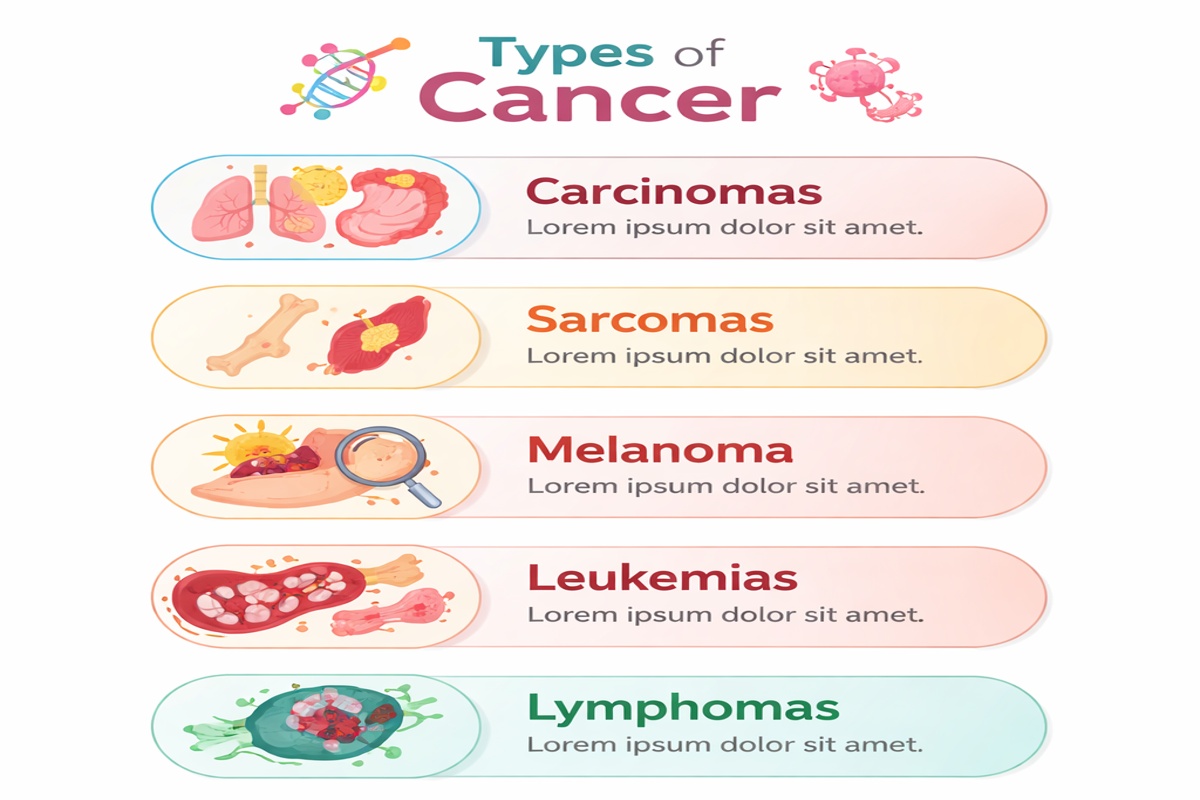
There are five basic classifications of cancer according to the type of tissue in which the cancer originated, as well as how the cancer will behave biologically; they are classified as 1-carcinomas, 2-sarcomas, 3-leukemias, 4-lymphomas, and 5-melanomas. Carcinomas (accounting for 80-90% of all cases of cancer) develop from epithelial tissues (skin and/or the linings of each of the organs), while sarcomas develop from connective tissues in the body (e.g., bone and/or muscle). Common types of cancer identified in the US include lung cancer, breast cancer, prostate cancer, colon cancer, and skin cancer.
Classification of Cancers
There are also two other types of cancers: germ cell tumors (which are made from pluripotent cells and are most often found in the testicles or ovaries) and blastomas (which are derived from immature ‘precursor’ cells or tissues formed before birth). Blastomas are more often found in pediatric patients. Liquid cancers include leukemias and lymphomas, whereas solid cancers are classified as carcinomas and sarcomas.
- Carcinomas are by far the most common type of cancer (80-90% of cases) and originate in epithelial (skin and organ lining) cells, or at least are thought to. For example, carcinomas are classified by their cell type: adenocarcinomas develop from glandular cells (e.g., breast, colon, or prostate), basal cell carcinomas develop from the lower level of the epidermis through sun exposure, and squamous cell carcinomas are the result of transforming flat/scale-type cells.
- Sarcomas (malignant tumors of connective tissue) incorporate many types of tissue, including bone, cartilage, fat, muscle, and blood vessel tissue.
- Leukemias (blood cancers) develop from the bone marrow tissue and cause the production of abnormally large numbers of white blood cells.
- Lymphomas/myelomas develop from the immune system’s lymphatic tissues (lymph nodes/blood) and are classified as lymphatic/myeloma cancers.
- Central Nervous System (brain and spinal cord cancers). There are two types of cancerous growths in the CNS: gliomas and astrocytomas.
There are many different kinds of cancer. Here are some of the most common cancers:
Lung – The leading cause of death by cancer.
Breast—Common in females and begins in the breast tissue.
Prostate—A common type of cancer in men.
Colorectal—Cancer located in the colon or rectum.
Skin – There are two types of skin cancers, melanoma and non-melanoma.
Pancreatic – A very challenging type of cancer.
Ovarian—A cancer of the ovaries.

Causes and Risk Factors
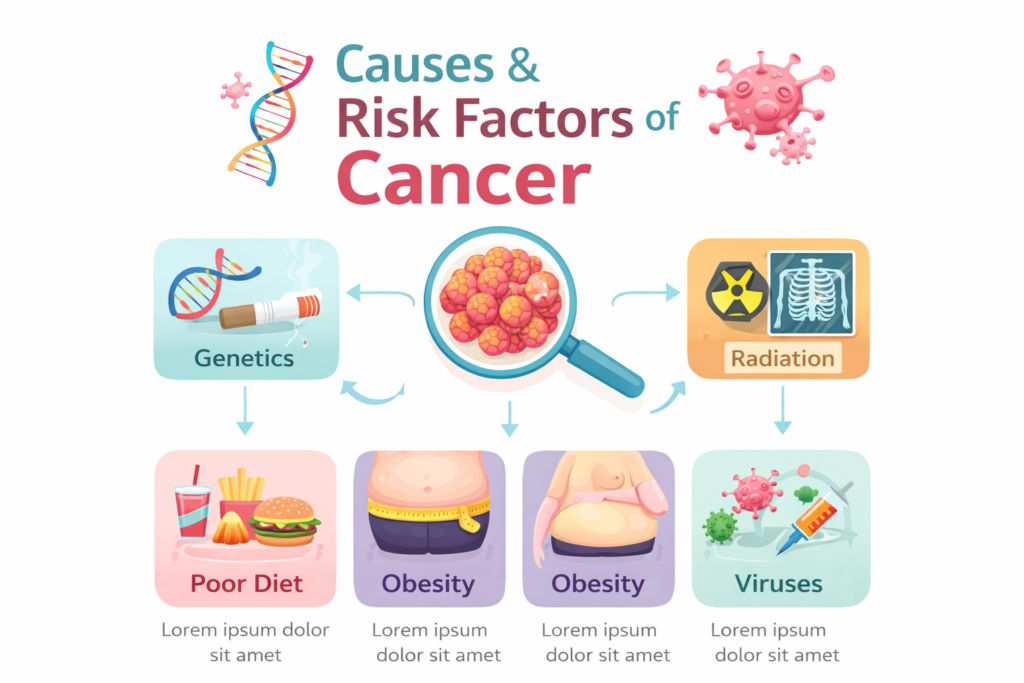
Risk factors and causes refer to the reasons why you are more likely to develop a disease. Risk factors are generally background characteristics that can be modified, whereas causes are the specific direct factors that led to the disease occurring. There are four important causes/risk factors:
- behaviour choices (tobacco use, dietary habits, level of physical activity);
- physiological conditions (i.e., hypertension, obesity);
- heredity/genetics/family history; and
- environmental exposure (e.g., ultraviolet light exposure, air pollution).
The leading causes of cancer include the following:
- Genetic factors. The presence of an inherited genetic mutation (e.g., BRCA1 or BRCA2) or having a family history of certain cancers increases risk for the development of those types of cancers.
- Age. The risk of cancer increases with age as cumulative mutations in DNA accumulate over time.
- Lifestyle factors (behavior choices):
- Tobacco use is the most common preventable cause of cancer;
- excessive alcohol use;
- poor nutrition;
- aka sedentary behaviour/lack of physical activity;
- excessive exposure to the sun (i.e., UV rays).
- Tobacco use is the most common preventable cause of cancer;
- Environmental exposure to carcinogens (asbestos, radon, air pollution, chemical exposure).
- Radiation. UV rays, X-rays, and other forms of ionizing radiation to DNA can also increase risk.
- Infection. Some viruses (e.g., human papillomavirus or HPV; hepatitis B or C), bacteria (e.g., Helicobacter pylori), and parasites can increase the risk of developing cancer.
- Chronic inflammation. Examples of conditions that can cause chronic inflammation and increase cancer risk include inflammatory bowel disease.
- Hormones. Long-term exposure to the hormone estrogen or hormone replacement therapy can increase risk.
Common Symptoms of Cancer
Cancer symptoms can be different according to the kind, place, and stage of the cancer. Many early symptoms of Turner’s syndrome are very mild and could easily be overlooked; awareness is essential. Although many of these symptoms are not guaranteed to indicate cancer, persistent and/or unusual changes to your body should always be treated with caution. Recognizing common early symptoms will lead to faster diagnosis and generally better treatment options.
| Key Cancer Symptoms to Watch For | Description |
| Unexplained Weight Loss/Gain | Losing weight without trying is a common early sign. |
| Persistent Fatigue | Extreme, unrelenting exhaustion that does not improve with rest. |
| Lumps or Thickening | New, growing lumps, particularly in the breast or lymph nodes. |
| Skin Changes | New moles, changes to existing moles, sores that won’t heal, or yellowing/redness. |
| Persistent Pain | Unexplained pain, especially if chronic (e.g., bone pain, headaches). |
| Unexplained Bleeding | Coughing up blood, blood in stool or urine, or unusual vaginal bleeding. |
| Changes in Bowel/Bladder Habits | Lasting diarrhea, constipation, or discomfort. |
| Fever or Night Sweats | Recurring, unexplained fever or drenching night sweats. |
| Difficulty Swallowing or Chronic Cough | A cough lasting over two weeks. |

How Cancer Develops (Stages of Cancer)
Cancer arises through an extended period of developing multiple mutations in its genetic material, which signifies that normal cells (rounded shape) grow abnormally fast and develop in a way that allows them to escape being detected (by cells in the body, which normally attack foreign invaders) and resist death (by either programmed cell death or injury).
- Initiation: A normal cell has become damaged (by radiation, a virus, or maybe just a random error) and has a lot of damage in its DNA, but it does not die off as it normally does.
- Promotion: The damaged cell multiplies rapidly and forms a small group of abnormal cells.
- Progression: The group of abnormal cells has gained more mutations that allow them to multiply even more aggressively than before and invade surrounding normal tissue and blood vessels.
- Metastasis: Some of the cancer cells detach from the abnormal tissue they initially developed from and travel via the bloodstream or lymphatic system to other places in the body to form new tumors.
Clinical Staging
Stage 0-1 – Small Localized tumor
Stage 2-3 – Larger tumor, may have invaded into surrounding lymph nodes
Stage 4 – Cancer has spread throughout the body and has invaded many different tissues in the body.

Diagnosis and Screening
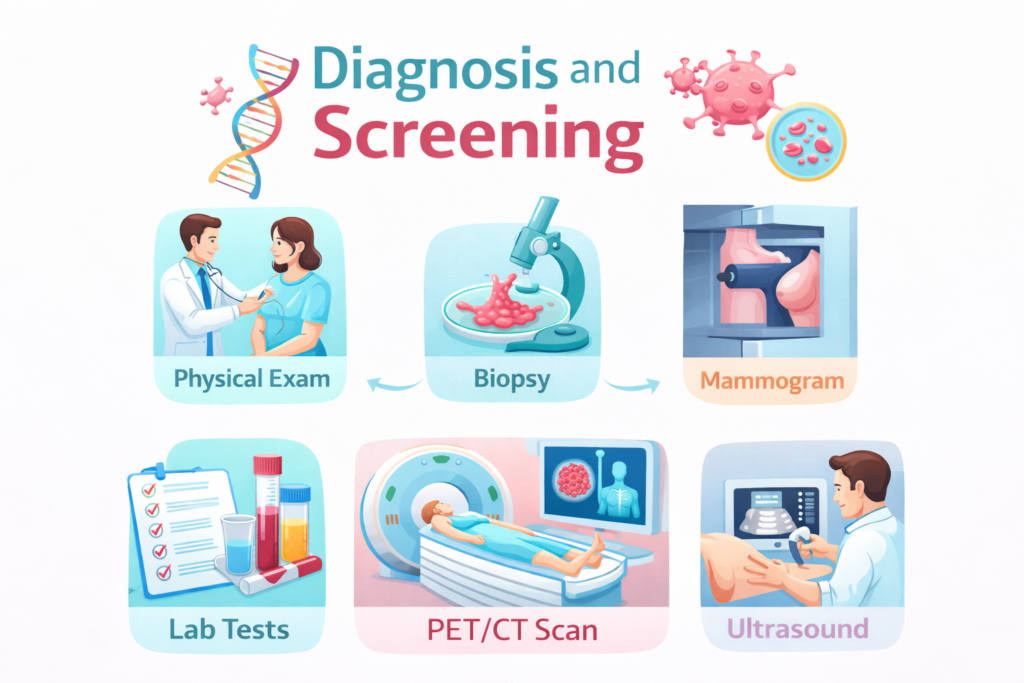
Having an early diagnosis through screening allows you to detect cancer early on so that when treatment begins, it is most effective. A screening test intends to detect the presence of cancer before any symptoms occur, whereas the purpose of a diagnostic test is to confirm the presence of cancer after you develop symptoms or receive an abnormal screening result. Blood tests, imaging scans, and tissue biopsies are among the most frequently used techniques for detecting cancer.
Screening for Cancer (For Asymptomatic People)
- Screening for cancer generally aims to identify individuals with cancer before they develop symptoms (this is usually done by targeting high-risk individuals in the population).
- Breast Cancer: Mammography is usually recommended beginning at age 40 to 50 (after discussion between you and your doctor).
- Cervical Cancer: Pap tests and HPV testing will identify precancerous cells in your cervix.
- Colorectal Cancer: Colonoscopy, sigmoidoscopy, or fecal occult blood testing is used to identify precancerous polyps or cancers in the early stages of development.
- Lung Cancer: A low-dose computed tomography (LDCT) (CT scan) of the lungs may be recommended for individuals who smoke heavily or who havea significant history of smoking.
- Prostate Cancer: Prostate-specific antigen (PSA) blood tests can identify individuals who may have the disease.
- Skin Cancer: Individuals need a general visual examination for skin cancer as part of their routine health exams.
Cancer Diagnosis (For Symptomatic/Abnormal Screening)
- When screening results are suspicious or symptoms exist, diagnostic tests determine if cancer is present, its type, and its stage.
- Biopsy: The definitive method involves removing a tissue sample for laboratory microscopic examination.
- Imaging Tests: CT scans, MRI, PET scans, ultrasounds, and X-rays are used to visualize internal tumors.
- Laboratory Tests: Blood or urine tests, such as complete blood counts for leukemia or tumor marker tests (e.g., CA-125 for ovarian cancer).
- Endoscopy: Procedures like colonoscopy or upper endoscopy allow direct visualization of internal organs.
Treatment Options
There are many different ways to treat cancer, including how to kill, control, or remove the cancer: including surgery, chemotherapy, radiation, immunotherapy, and targeted therapy. Cancer treatment can be designed for your specific diagnosis (type and stage of your cancer) and your particular situation through a multidisciplinary approach (the use of two or more different specialties) for a better outcome for your health and survival, as well as a better quality of life.
There are several main treatment options for cancer, including:
Surgery – to remove the tumor and surrounding tissue
Chemotherapy – the use of chemical agents (drugs) that kill cancer cells throughout the body
Radiation – high-energy rays used to destroy cancer cells at the site of treatment
Immunotherapy – helps to stimulate or assist the immune system to destroy the cancer
Targeted therapy – a way of using drugs that specifically target certain characteristics of the cancer cells to kill or slow down the cancer
Hormone therapy – a treatment method for some cancers, used to block hormones that promote cancer growth
Stem cell transplants – to replace damaged bone marrow cells
Your choice of treatment will depend on the following:
• The type and stage of the cancer
• Your general health
• Your personal preferences
The physician(s) treating you for your cancer will determine which of these treatment types will be the best option for you.
In many cases, the oncologist will create a combination of treatment options to treat you for your disease. Therefore, your oncologist will help determine what is best for your situation.
Cancer prevention involves adopting a healthy lifestyle to reduce risk, as up to 40% of cases may be preventable. Key actions include avoiding all tobacco products, maintaining a healthy weight through diet and exercise, limiting alcohol, practicing sun safety, getting vaccinated against HPV and Hepatitis B, and attending regular cancer screenings.
Here are key ways to reduce cancer risk:
Lifestyle choices:

Prevention of Cancer
• Don’t smoke or use tobacco
• Limit alcohol intake
• Maintain a healthy weight through a balanced diet
• Exercise regularly (150+ minutes weekly)
• Protect skin from excessive sun exposure
Diet:
• Eat plenty of fruits, vegetables, and whole grains
• Limit processed and red meat
• Reduce sugar and refined foods
Medical prevention:
• Get recommended cancer screenings (mammograms, colonoscopies, etc.)
• Consider HPV and Hepatitis B vaccines
• Discuss family history with your doctor
Environmental:
• Limit exposure to radiation and toxic chemicals
• Test home for radon
While you can’t prevent all cancers, these steps significantly lower your risk.

Living with Cancer
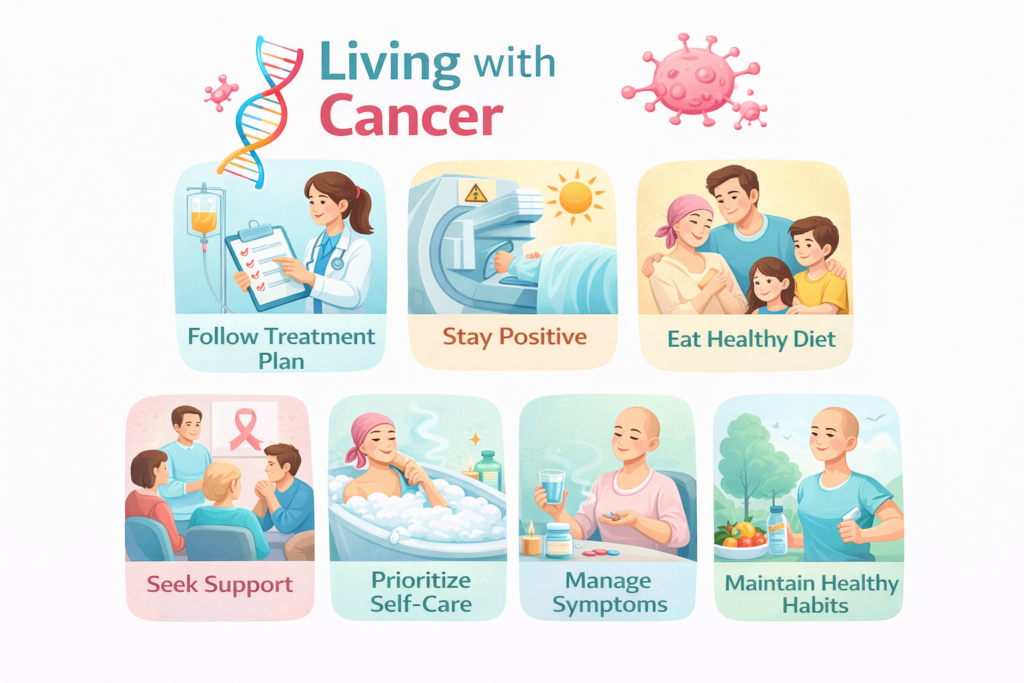
To live with the pain of cancer can be difficult, but it is possible to overcome the obstacles presented by this disease by using the following strategies:
Maintain open communication with your medical professionals to ensure that you understand your treatment options and have the best chance of successfully managing your side effects.
Create or follow a personalized, healthy lifestyle plan that includes nutritious meals, active living, stress management, social support, etc During your treatment, remember to incorporate these components into your daily routine to help you manage your side effects and give yourself sufficient energy to participate in recommended activities.
Seek assistance from family and friends to assist with the emotional toll of cancer treatments.
When living with cancer, there are many things to think about:
Self-Care – When you need to sleep, sleep. When you can do things you enjoy, do them. Have open and honest communication with others about how to receive necessary help.
Health Care Providers – Appointments, chemotherapy, radiation, surgery, follow-up appointments, managing your side effects, and being accountable to your health care provider.
Daily Living – A change in daily living patterns. Some occasional time off due to treatment side effects. Eat healthy food when your appetite allows. Follow your physician’s recommendations regarding physical activity, including the occasional time you cannot do any activity (for example, no running when you are fatigued).
Emotional Support – Counseling, support groups, friends/family members. It’s completely natural to feel scared, angry, or sad about living with cancer.
Financial Matters – your job, sick leave, medical insurance, living will, and how to pay for all of this.
Cancer Statistics and Global Impact
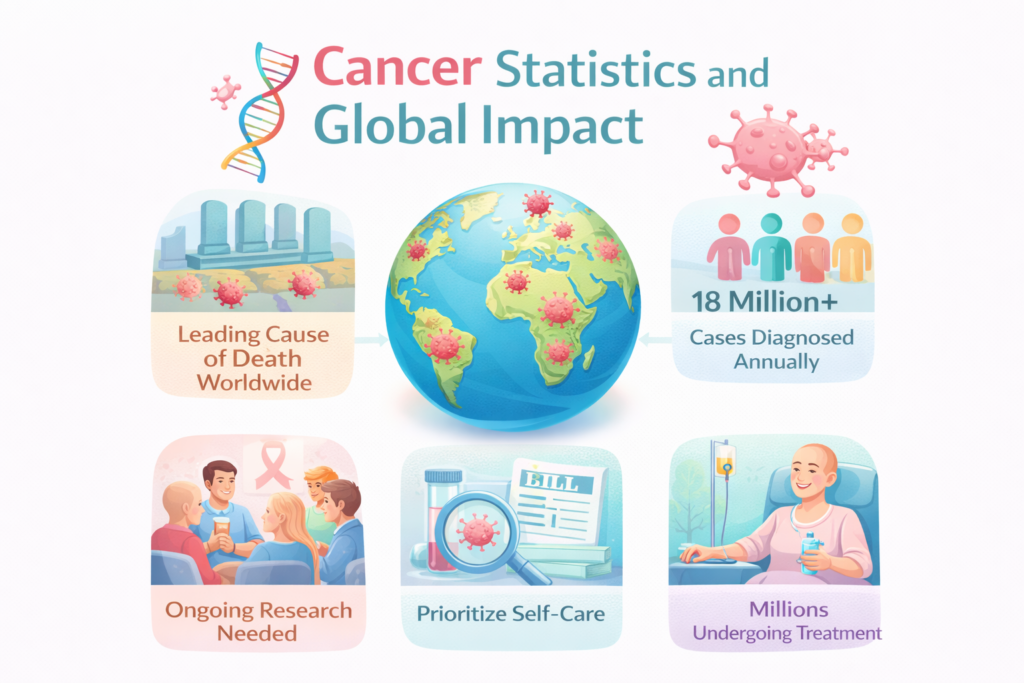
Cancer is a major global cause of death, accounting for around 20 million new cases and almost 10 million deaths each year as of 2022 and 2023. Lung cancer is the most common and fatal form of cancer worldwide. The number of new cases of cancer is projected to increase from 20 million to over 30 million from 2019 to 2050, with the majority of new cases in low- and middle-income countries due to an aging population, the risk factors associated with smoking, and the increasing prevalence of obesity.
Worldwide Cancer Statistics – 2022/2023 Estimates
- Number of New Cases/Deaths: In 2022, there were approximately 20 million new cases of cancer and at least 9.7 million deaths; by 2023, approximately 18.5 million new cases and 10.4 million deaths will occur (this does not include malignant melanoma or non-malignant skin cancers).
- Most Common Cancers by Incidence: Lung cancer is the most commonly diagnosed cancer (2.5 million cases), followed by female breast cancer (2.3 million), colorectal cancer (1.9 million), prostate cancer (1.5 million), and stomach cancer (970,000).
- Most Frequent Cancers by Mortality: Lung cancer is the most frequent cause of death (1.8 million deaths), followed by colorectal cancer (900,000 deaths), liver cancer (760,000 deaths), breast cancer (670,000 deaths), and stomach cancer (660,000 deaths).
- Lifetime Probability of Getting Cancer: One in five people will develop cancer in their lifetime (one out of every nine men and one out of every twelve women will die of the disease).
Global Impact and Trends
Economic and Social Burden: Cancer has attributed 271 million disability-adjusted life years (DALYs) worldwide.
Rise in New Cases: New cases are projected to increase 60% and deaths 74% by 2050.
Differences in the Rate of Incidence: Incidence of cancer is predominantly in high-income countries, but also the rate of mortality from cancer is greatest in low- and medium-income nations due to late diagnosis and limited access to treatment in those regions.
Changing Trends: Lung cancer, a re-emerging cause of cancer due to smoking trends in Asia and other parts of the world, will remain the primary cancer; colorectal cancer will also continue to increase among men and women under 50 years of age.
Risk Factors: Approximately 40% of cancer deaths are caused by modifiable risk factors.
Myths and Facts About Cancer
Cancer can be described as a very complicated disease primarily caused by mutations in your genes, environmental factors such as tobacco use, and natural aging. There is a common misconception that cancer is an inherited disease that spreads through the population; therefore, 90% to 95% of all cancer cases are not due to genetic factors or infections. There are currently many ways to identify and treat cancer, and since most cancers are treatable or possibly curable, cancer does not have to be a terminal diagnosis.
Common Cancer Myths and Facts
Fact: Studies have not found a conclusive link between phone radiation and cancer.
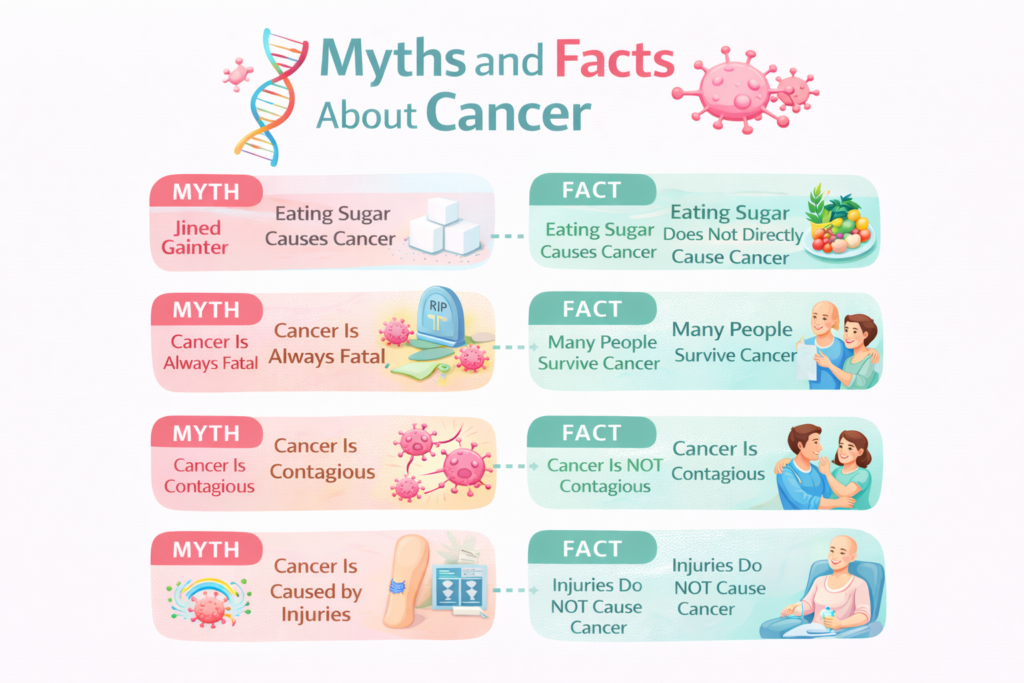
Myth: Cancer is contagious.
Fact: Cancer cannot be “caught” like a cold or virus. While some viruses (HPV, Hepatitis B/C) that cause cancer are contagious, the cancer itself is not.
Myth: Cancer is always terminal/fatal.
Fact: Advances in early detection and treatment (immunotherapy, targeted therapy) mean many patients live long, normal lives even with advanced disease.
Myth: If no one in my family had cancer, I won’t get it.
Fact: Only 5-10% of cancers are inherited. Most are caused by gene mutations from lifestyle (smoking, diet) or environmental factors.
Myth: Sugar feeds cancer/Sugar causes cancer to grow faster.
Fact: While all cells use sugar, sugar does not speed up cancer growth specifically. However, high sugar contributes to obesity, which is a risk factor for cancer.
Myth: Biopsies or surgery cause cancer to spread.
Fact: Surgeons use strict, specialized techniques to prevent cancer cell spread during biopsies or removals.
Myth: Cancer treatment is always chemotherapy.
Fact: Treatments are tailored to the type and stage of cancer, including surgery, radiation, immunotherapy, or targeted therapy.
Myth: Only smokers get lung cancer.
Fact: While smoking causes most lung cancers, 10-20% occur in non-smokers due to radon gas, second-hand smoke, or pollution.
Myth: Herbal/Alternative therapies can cure cancer.
Fact: There is no evidence that alternative, non-conventional therapies can cure cancer. They may help with side effects, but should not replace evidence-based medicine.
Myth: Underwire bras or antiperspirants cause breast cancer.
Fact: No scientific evidence supports this claim
Conclusion
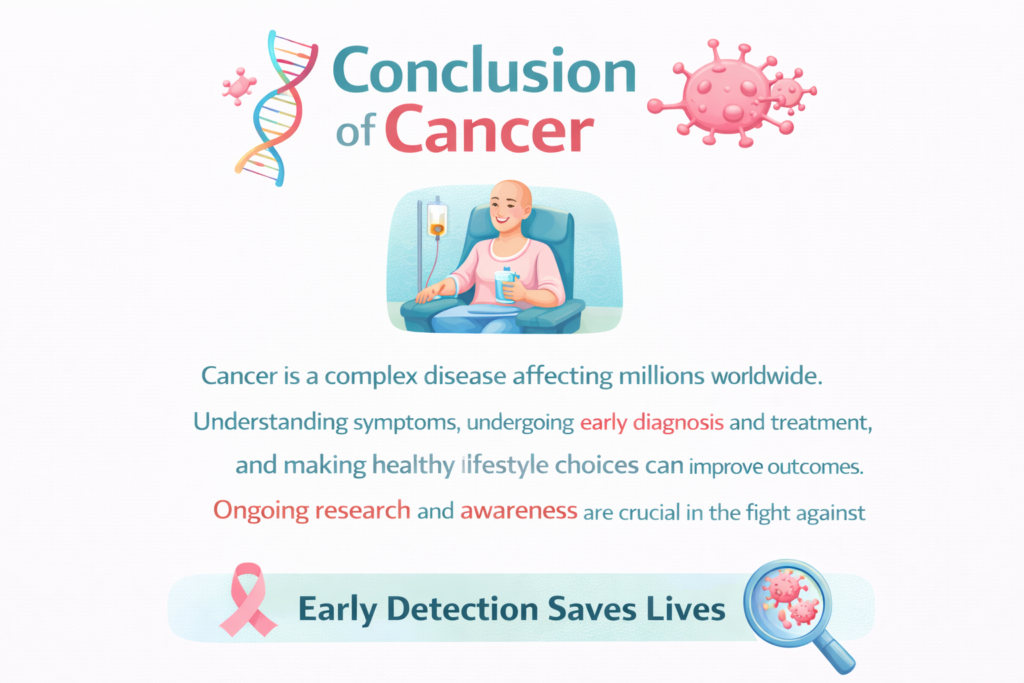
Cancer affects millions of individuals each year on a global scale and remains one of the major public health issues facing our planet. Fortunately, enhanced public awareness of this illness, the ability to diagnose it at an earlier stage, lifestyle changes toward healthier and more active living, advancements in the fields of medicine, science, and technology, all contribute to the increasing number of individuals who are surviving from cancers. The World Health Organization and many other national and international government and not-for-profit organizations advocate for preventative measures, the use of screening technologies, and making access to better medical treatments more available to individuals around the world. By creating awareness, enabling researchers, and helping those who access preventative health care, we can lessen the burden of those who are dealing with cancer and give hope to both the cancer patients and their families, no matter the country in which they live.
Important Observations and Conclusions
Prognosis: Although cancer tends to require long-term management and places significant burdens (physical, emotional, and financial) upon individuals, the odds that an individual will be successfully cured of cancer are greatly improved when he or she is diagnosed early on in his or her disease.
Disease Process: Cancer develops when normal cellular physiology fails and becomes uncontrolled and abnormal; therefore, the process of cancer can lead to metastasis (the spreading of the disease).
Global Impact: Cancer is one of the leading causes of death in the world, and as the number of cancer cases continues to rise, better access to treatment is needed worldwide, particularly in developing countries.
Prevention/Detection: A minimum of 1/3 to 1/2 of all cancers are preventable, which can be achieved through maintaining a healthy and active lifestyle, significantly decreasing smoking, and having regular cancer screenings.
Advances in Treatment: With recent advances in treatment (such as surgery, chemotherapy, and radiation) and the growing trend toward personalized (precise) medicine, survival rates are on the rise.