

Crohn’s disease treatment has advanced significantly, giving people more options to manage symptoms, reduce inflammation, and improve their quality of life. Crohn’s disease is a long-term condition that causes inflammation in the digestive tract. It can affect anyone, but it often develops between the teenage years and age 30. Early diagnosis is important because untreated inflammation can damage the gut over time. Symptoms such as stomach pain, diarrhea, and fatigue can make daily life difficult. The good news is that treatment has come a long way. With the right care plan, most people with Crohn’s disease can live full, active, and healthy lives.
Crohn’s Disease: What Is It?
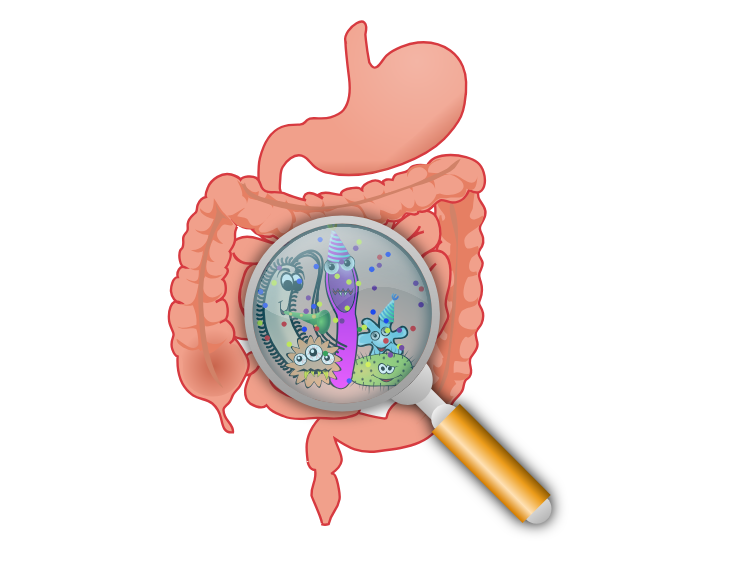
Crohn’s disease is a type of inflammatory bowel disease, or IBD. It happens when the immune system attacks healthy tissue in the digestive tract by mistake.
This attack causes swelling, sores, and irritation. Crohn’s can affect any part of the digestive tract, from the mouth to the anus. However, it most often shows up in the small intestine and the start of the large intestine. Unlike ulcerative colitis, which only affects the colon,
Crohn’s disease can appear in patches and affect deeper layers of the gut wall.
Doctors still don’t know exactly why this inflammation starts. But they believe it’s linked to a mix of immune, genetic, and environmental factors working together.
What Does Crohn’s Disease Feel Like?
Crohn’s disease can feel different from person to person. Some people have mild symptoms. Others deal with pain and discomfort that disrupts their whole day.
| Common Signs |
|---|
| Persistent diarrhea |
| Abdominal cramps |
| Unexplained weight loss |
| Constant fatigue |
| Blood in the stool |
| Reduced appetite |
These symptoms can come and go. Periods of active symptoms are called flare-ups, while quiet periods are called remission.
Crohn’s Disease Pain
Pain from Crohn’s disease usually shows up in the lower right side of the belly, though it can happen anywhere along the digestive tract. Some days the pain is mild and easy to manage, while other days it can be sharp and severe, especially during a flare. Crohn’s disease treatment focuses on reducing inflammation, relieving pain, controlling flare-ups, and helping people maintain a better quality of life.
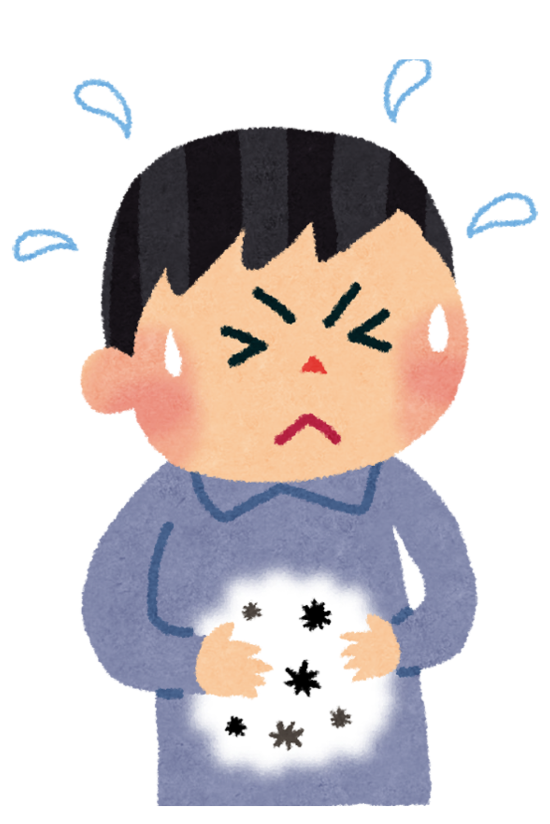
Pain often gets worse after eating, during periods of stress, or when inflammation is active. Following a personalized Crohn’s disease treatment plan can help reduce inflammation, manage pain, and lower the risk of flare-ups. If the pain becomes constant, severe, or is accompanied by fever, vomiting, or heavy bleeding, seek medical care right away instead of waiting for it to improve on its own.
What Causes Crohn’s Disease?
There is no single cause of Crohn’s disease. Instead, researchers point to several factors that seem to work together.
Immune System Changes
In Crohn’s disease, the immune system mistakes harmless bacteria in the gut for a threat. This triggers ongoing inflammation.
Genetics
Having a close family member with Crohn’s disease raises the risk. Certain genes appear to make the immune system more likely to react this way.
Environmental Factors
Diet, pollution, and where someone grows up may all play a role, though researchers are still studying exactly how.
Smoking
Smoking is one of the strongest known risk factors. It can also make symptoms worse and increase the chance of flare-ups.
Gut Microbiome
The trillions of bacteria living in the gut help keep digestion running smoothly. An imbalance in these bacteria may contribute to inflammation.
Who Is at Risk of Crohn’s Disease?
| Risk Factors |
|---|
| Age, since Crohn’s disease is most often diagnosed before age 30 |
| A family history of Crohn’s disease or ulcerative colitis |
| Smoking |
| A diet high in processed or fatty foods |
| A history of other autoimmune conditions |
| Growing up in an industrialized area |
Having one or more of these factors doesn’t mean someone will definitely develop Crohn’s disease. It just means their risk is somewhat higher.
How Crohn’s Disease Is Diagnosed
Medical History
The doctor will ask about symptoms, how long they’ve lasted, and any family history of digestive conditions.
Physical Examination
A physical exam checks for tenderness, swelling, or other signs of inflammation in the abdomen.
Blood Tests
Blood tests can reveal signs of inflammation or infection, along with anemia, which is common in Crohn’s disease.
Stool Tests
These tests rule out infections and can also detect markers of inflammation in the digestive tract.
Colonoscopy
A colonoscopy lets the doctor view the lining of the colon and take small tissue samples, called biopsies, for closer study.
Endoscopy
An upper endoscopy checks the esophagus, stomach, and the start of the small intestine.
CT Scan
A CT scan creates detailed images of the digestive tract and can spot inflammation, blockages, or abscesses.
MRI
MRI scans give a closer look at the small intestine and are especially useful for tracking inflammation over time without radiation exposure.
Crohn’s Disease Treatment Options
Treatment for Crohn’s disease focuses on a few main goals: reducing inflammation, controlling symptoms, preventing complications, and helping people get back to their normal routine.
Medicines
Anti-inflammatory Medicines
Calm swelling in the gut
Immunomodulators
Reduce immune system activity
Biologics
Target specific proteins that drive inflammation
Crohn’s Disease Infusion
Sessions typically take one to a few hours, and most people receive infusions every few weeks. If you’re wondering how to get rid of Crohn’s disease, infusion therapy may help manage symptoms and support longer remission. Many people experience noticeable symptom relief with regular treatment.
Sessions typically take one to a few hours, and most people receive infusions every few weeks. Many people find that infusion therapy brings noticeable symptom relief and helps them stay in remission longer.
Surgery
Surgery becomes an option when medication alone isn’t enough, or when complications like blockages or fistulas develop. Common procedures include removing a damaged section of intestine.
Recovery time varies, but many people notice real symptom relief afterward. Surgery isn’t a cure, though. Ongoing care is still needed afterward to help prevent the disease from coming back.
Lifestyle Changes
Small daily habits can support medical treatment. These include managing stress, getting enough sleep, staying active, drinking plenty of water, and keeping up with regular follow-up appointments.
Crohn’s Disease Foods That May Help
Food triggers aren’t the same for everyone with Crohn’s disease. What causes a flare in one person might be totally fine for someone else. That’s why keeping a food diary can help identify personal patterns.
Foods Some People Avoid During Flare-Ups
A registered dietitian who understands Crohn’s disease can help build a food plan that fits each person’s needs.
Living With Crohn’s Disease
Living with Crohn’s disease takes some adjustment, but it’s absolutely possible to build a full, active life around it.
Managing Daily Life
Planning meals, knowing bathroom locations when out, and pacing activities during flares can all make daily life smoother.
Emotional Health
Chronic illness can take a toll on mental health. Anxiety and low mood are common, so talking to a counselor or joining a support community can genuinely help.
School and Work
Many people with Crohn’s disease continue working or studying with a few adjustments, like flexible schedules or easy restroom access.
Travel Tips
Packing medication in carry-on bags, researching restroom locations, and carrying a doctor’s note can make travel less stressful.
Support Groups
Connecting with others who understand Crohn’s disease firsthand can reduce feelings of isolation and offer practical tips.
Regular checkups with a doctor remain one of the best ways to stay ahead of flare-ups and catch problems early.
Is Crohn’s Disease a Disability?
Whether Crohn’s disease counts as a disability depends on how severe someone’s symptoms are and how much they limit daily activities. Some people with Crohn’s disease do qualify for disability benefits, especially when symptoms are frequent or severe.
Work accommodations, like flexible hours or remote work options, can also help. Proper medical documentation from a doctor is usually required to support any disability claim.
Is Crohn’s Disease Deadly?
For most people, Crohn’s disease is not fatal when it’s properly treated. However, if it’s left untreated, complications like blockages, infections, or severe malnutrition can become serious.
This is why ongoing care matters so much. Staying on top of treatment lowers the risk of complications significantly.
Life Expectancy for Crohn’s Disease
Most people with Crohn’s disease have a normal or near-normal life expectancy. Staying consistent with medication, following a healthy lifestyle, and going to routine checkups all play a role in long-term outcomes.
Managing flare-ups quickly, rather than waiting them out, also helps protect long-term health.
When Should You See a Crohn’s Disease Doctor?
| When to See a Doctor |
|---|
| Severe abdominal pain |
| Blood in the stool |
| Diarrhea that won’t go away |
| Fever |
| Unexplained weight loss |
| Vomiting |
| Signs of dehydration |
Catching Crohn’s disease early, or catching a flare-up early, makes treatment far more effective. Don’t wait for symptoms to become unbearable before reaching out for help.
Can Crohn’s Disease Be Prevented?
There’s no guaranteed way to prevent Crohn’s disease. Still, some habits may lower the risk or reduce flare-ups. These include not smoking, eating a balanced diet, staying active, and keeping up with regular medical care.
Early treatment, once symptoms appear, also helps prevent the condition from progressing further.
Why Early Crohn’s Disease Treatment Matters
Starting treatment early can prevent complications before they start. It helps protect the digestive tract from long-term damage and supports better health overall. Early treatment also tends to mean fewer hospital visits and a better quality of life day to day.
If digestive symptoms have been showing up again and again, it’s worth getting evaluated by a doctor sooner rather than later.
Conclusion
Crohn’s disease brings real challenges, from unpredictable symptoms to the emotional weight of managing a chronic condition. But with an accurate diagnosis, the right treatment plan, and some lifestyle adjustments, most people with Crohn’s disease find a way to live well. Everyone’s experience is different, so personalized care truly matters. If ongoing digestive symptoms are part of daily life, reaching out to a healthcare professional is a smart first step toward feeling better.
FAQs
Early signs often include stomach cramps, diarrhea, and fatigue that doesn’t go away.
Flare-ups often bring sharper pain, more frequent diarrhea, fatigue, and sometimes fever.
Doctors use a combination of blood tests, stool tests, imaging scans, and colonoscopy to confirm a diagnosis.
There’s currently no cure, but treatment can control symptoms and lead to long periods of remission.
Foods like rice, bananas, lean chicken, and eggs are often easier to digest, though triggers vary by person.