
Stress, Seizures, and Epilepsy Care
If a loved one just had a seizure, you’re probably wondering whether “seizure” and “epilepsy” mean the same thing. They don’t, and the difference matters. Stress and epilepsy seizure often get lumped together too, so let’s untangle both.
A seizure is one event. Epilepsy is a long-term condition where seizures keep coming back. Stress fits in an odd spot here: it can set off a seizure without ever causing epilepsy itself.
Below, you’ll find what seizures and epilepsy actually are, how they differ, and how stress and epilepsy seizure may be connected. We’ll also explore how medicinal cannabis and epilepsy research is evolving, along with practical steps you can take starting today.
What Is a Seizure?
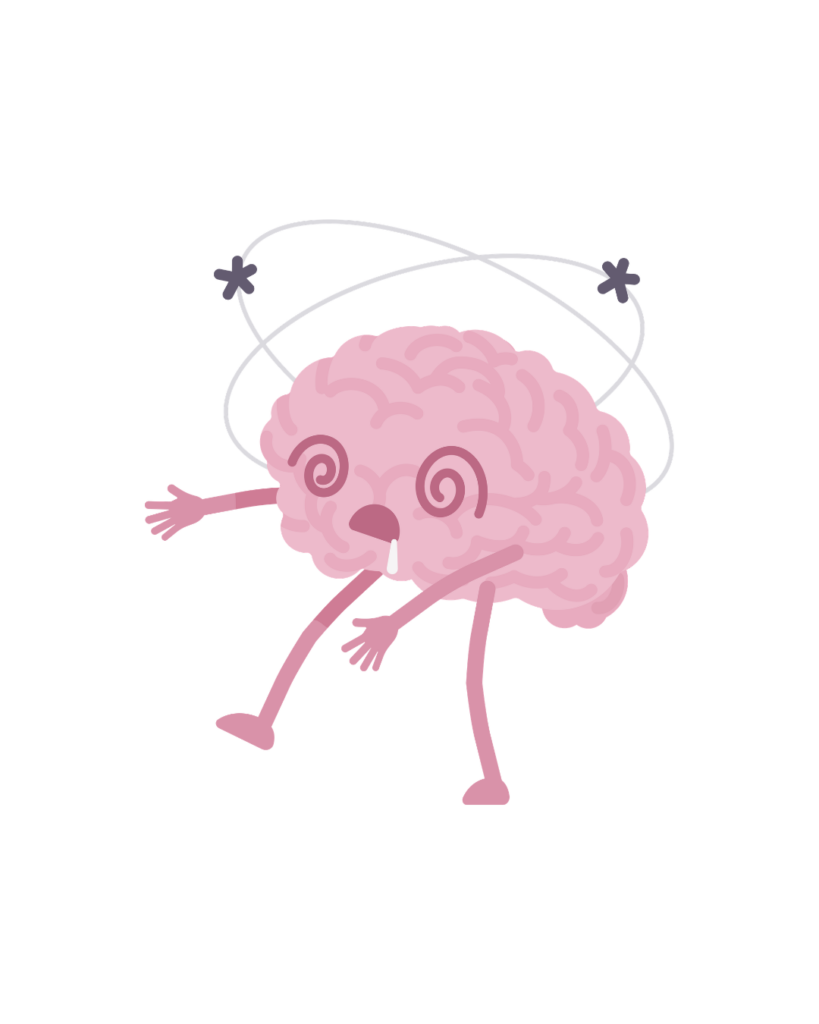
A seizure happens when a sudden burst of abnormal electrical activity spreads through the brain. Picture your brain as a switchboard: when too many signals fire at once, things short-circuit, and that’s the seizure.
How it happens
Normally, brain cells send small, controlled electrical signals to each other. During a seizure, that signaling turns chaotic. The body may twitch, jerk, stiffen, or the person may briefly lose awareness.
Common symptoms
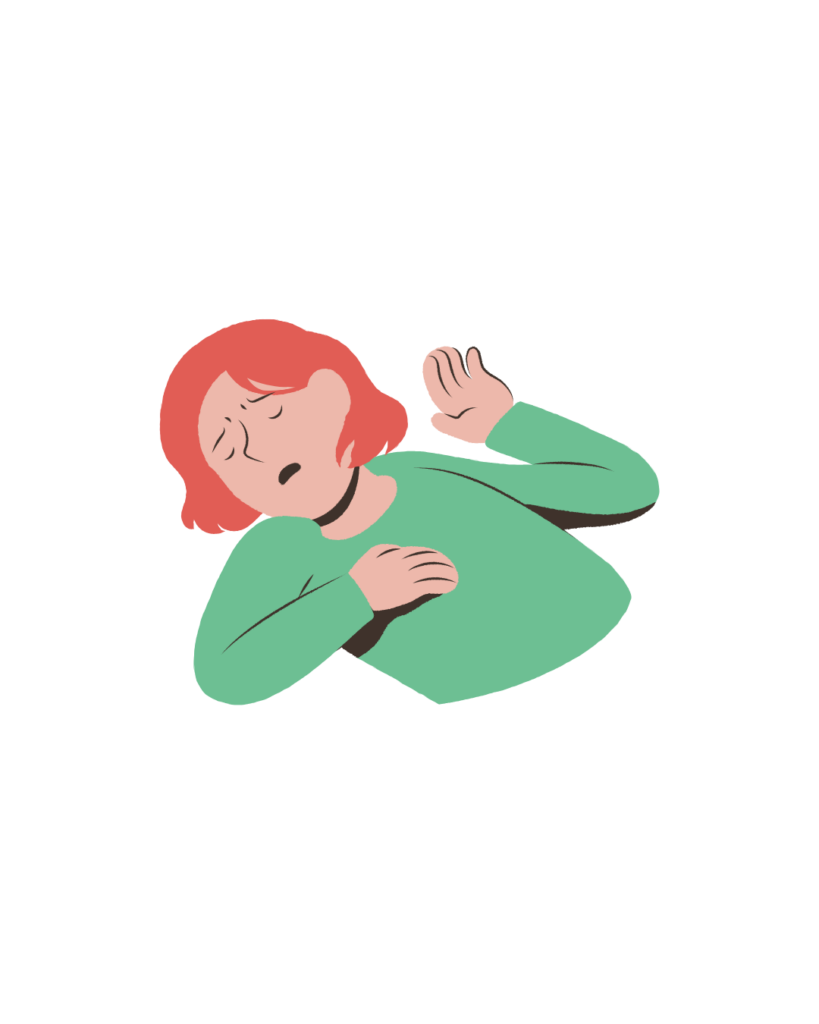
Symptoms depend on the type of seizure, but common signs include:
Sudden confusion or staring spells
Uncontrollable jerking of arms and legs
Loss of consciousness
Stiffening of the body
Types of seizures
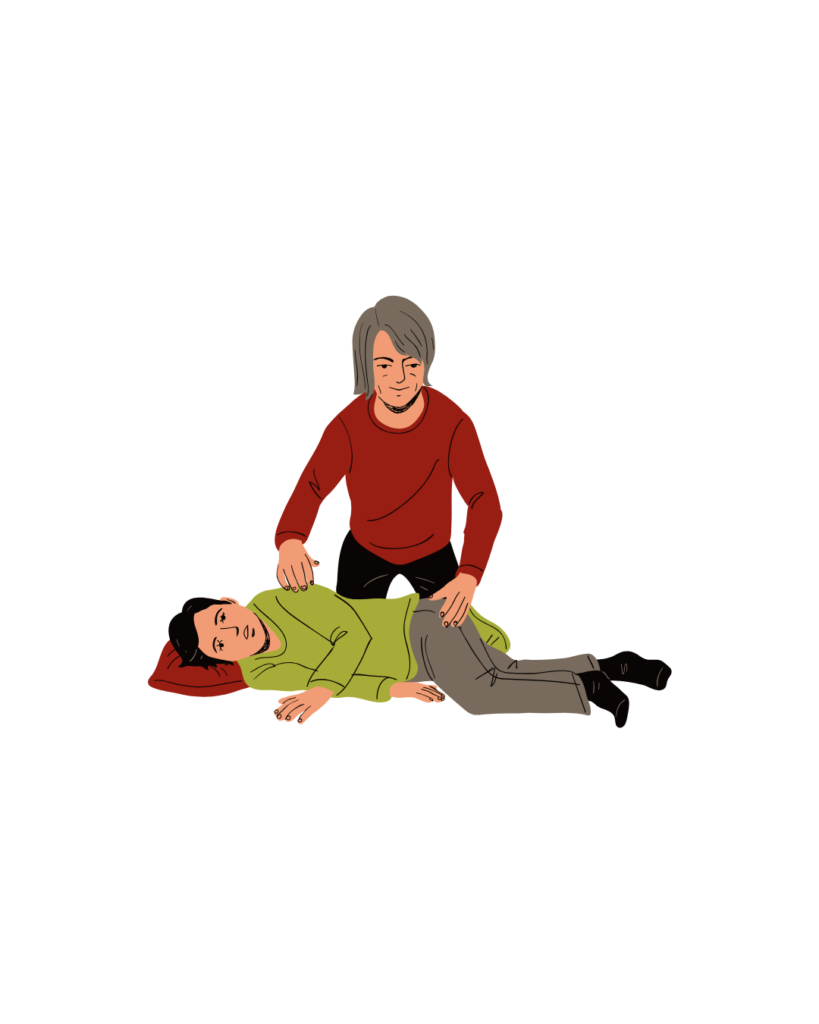
Not every seizure looks alike:
Tonic-clonic seizures combine stiffening with jerking movements, sometimes called convulsions.
Focal seizures start in one part of the brain and may or may not affect awareness.
What Is Epilepsy?
Epilepsy is a chronic neurological condition. Doctors diagnose it after someone has two or more unprovoked seizures that aren’t linked to a temporary cause such as a fever or low blood sugar. Understanding stress and epilepsy seizure is important because while stress does not cause epilepsy, it may trigger seizures in some people who already have the condition.
Epilepsy doesn’t discriminate by age. Children, adults, and older adults can all develop it, though certain risk factors raise the odds at different life stages.
A neurologist typically reaches this diagnosis by ruling out other causes and reviewing seizure history closely. Causes can include brain injury, genetics, infections, or structural differences in the brain. Often, though, no clear cause turns up at all.
What Is the Difference Between Epilepsy and Seizures?
This question comes up constantly, so here’s a straightforward comparison:
Seizures
| A single episode of abnormal brain activity |
| Fever, stress, low blood sugar, injury, or unknown triggers |
| Seconds to a few minutes |
| Based on one event |
| May not need ongoing care |
Epilepsy
| A chronic condition involving repeated seizures |
| Genetics, brain injury, infection, or unknown origin |
| Long-term, often lifelong |
| Based on two or more unprovoked seizures |
| Often needs long-term management |
Can Stress Trigger Epilepsy Seizures?
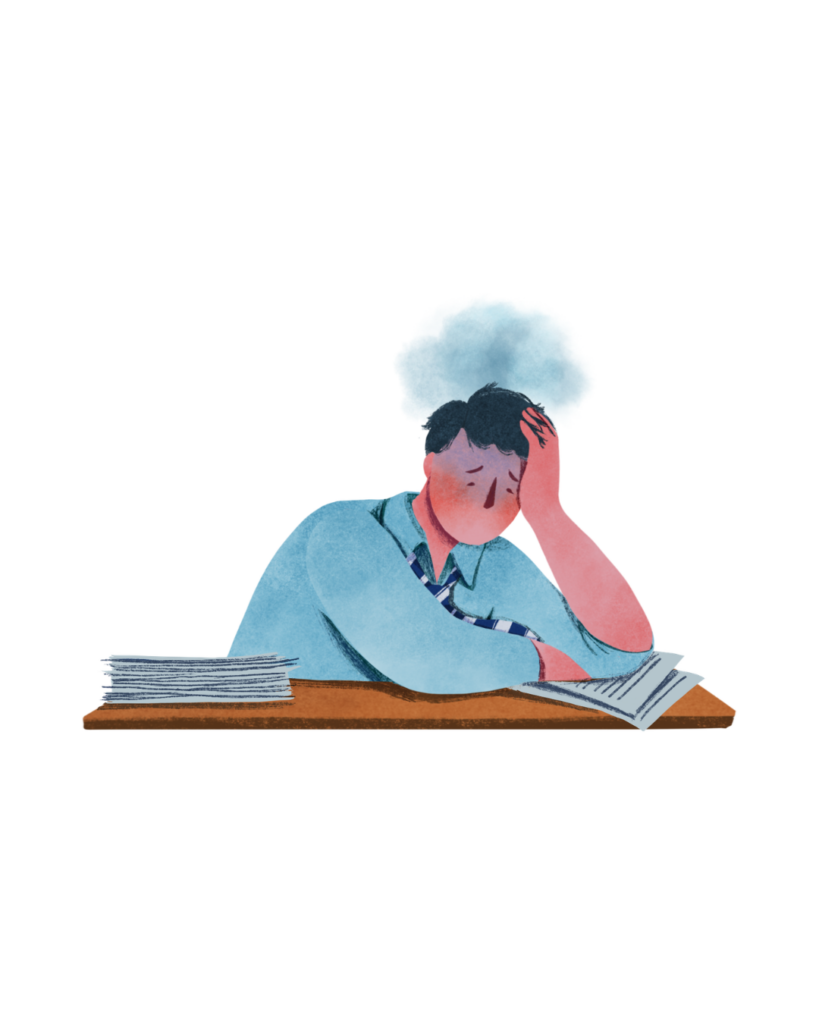
Here’s where stress and epilepsy seizures really connect. Stress doesn’t cause epilepsy, but it’s one of the most commonly reported triggers among people who already live with the condition.
Emotional stress, poor sleep, anxiety, and panic attacks can all lower the brain’s seizure threshold. Patients frequently point to work deadlines and exam pressure as triggers, too. Skipped meals and irregular sleep schedules only add to the effect.
So while stress and epilepsy seizures travel together often, stress is a trigger, not a root cause. For many patients, managing stress well cuts down how often seizures happen.
How Is Epilepsy Diagnosed?
Getting the diagnosis right matters, especially once stress and epilepsy seizures start looking connected. A thorough evaluation usually covers several steps.
Medical history. Your doctor will ask when seizures happen, how long they last, and what seems to set them off.
EEG. An electroencephalogram measures the brain’s electrical activity and helps spot patterns tied to seizures.
MRI scan. This produces detailed brain images and can reveal structural issues, like scarring or abnormal growths.
Blood tests. These rule out other conditions, such as infections or metabolic problems, that can mimic seizures.
Because diagnosis can get complicated, many families turn to a neurology center for epilepsy and seizures. A dedicated center brings the right specialists, imaging, and experience together, which usually means faster answers.
Traditional Treatments for Epilepsy
Most treatment plans start with conventional options first:
Anti-seizure medication – the standard first-line treatment
Ketogenic diet – a high-fat, low-carb approach that helps some patients
Surgery – considered when medication alone doesn’t control seizures
Vagus nerve stimulation – a device that sends electrical pulses to reduce seizure frequency
Lifestyle changes – better sleep, stress management, and staying consistent with medication
Medicinal Cannabis and Epilepsy
Interest in medicinal cannabis and epilepsy treatment has grown a lot over the past decade. Medicinal cannabis refers to cannabis-derived products used for therapeutic purposes, and two compounds get most of the attention: CBD and THC.
CBD, short for cannabidiol, doesn’t produce a “high” and has been studied for its potential to reduce how often seizures occur. THC, or tetrahydrocannabinol, is the compound behind cannabis’s psychoactive effects, and it’s used far more cautiously in epilepsy care.
Researchers think cannabinoids interact with the brain’s endocannabinoid system, which helps regulate neural activity. That interaction is still being studied closely. One thing worth knowing: an FDA-approved CBD medicine already exists for certain rare, severe forms of epilepsy.
Medicinal cannabis may help some patients, particularly those with treatment-resistant epilepsy. Still, safety matters a great deal here, including drug interactions and each person’s individual health history. Nobody should start cannabis-based treatment without medical guidance first.
Can Medical Cannabis Help With Stress and Epilepsy Seizures?
Given how closely stress and epilepsy seizures are linked, many patients wonder if cannabis could ease both at once. Early evidence suggests cannabinoids may help calm overactive brain signals, which could reduce seizure activity in some patients.
That said, benefits vary from person to person, and the research is still catching up. Inconsistent studies, uneven product quality, and legal restrictions in some regions all limit what we currently know. Medical supervision isn’t optional here; it’s essential.
If cannabis feels worth exploring for your situation, a professional medical cannabis seizure treatment program can walk you through safe, personalized options based on your specific diagnosis and history.
Natural Remedies for Seizures and Epilepsy

Alongside medical treatment, many patients look into natural remedies for seizures and epilepsy to support their overall well-being:
Prioritizing consistent, quality sleep
Staying well hydrated
Eating a balanced, nutrient-rich diet
Practicing stress management techniques
Trying yoga or gentle movement
Practicing meditation or mindfulness
Avoiding alcohol, since it can lower seizure threshold
Staying active with regular, moderate exercise
Sticking closely to prescribed medication schedules
These natural remedies for seizures and epilepsy can support treatment.
But they’re not a substitute for medical care or prescribed medication
Epilepsy and Menopause Seizures
Hormonal shifts can also change seizure patterns, which is why epilepsy and menopause seizures has become a growing area of research. As estrogen and progesterone levels shift during menopause, seizure frequency and intensity can change for some women.
Some women find their seizures become less predictable during this transition. Because epilepsy and menopause seizures don’t always behave the way patients expect, specialist care matters even more at this stage of life.
When Should You See a Doctor?
Certain situations call for immediate medical attention. Watch for:
A first-time seizure
Seizures becoming more frequent
A seizure lasting longer than five minutes
Injury during or after a seizure
Difficulty breathing
Pregnancy combined with seizure activity
Medication no longer controlling seizures effectively
If you notice any of these, don’t wait it out. Reach out to a neurologist or emergency care right away.
Final Thoughts
Seizures and epilepsy are related, but they’re not interchangeable. Stress and epilepsy seizures often go hand in hand, since stress usually acts as a trigger rather than a cause. Medicinal cannabis may help some patients manage symptoms, though it works best under professional medical guidance, never on its own.
Every case looks a little different, so treatment should always be built around the individual. If you or someone you love is weighing options, it’s worth learning more about a dedicated seizure treatment program shaped around your specific needs.
FAQs
a QuestionIs CBD approved for epilepsy treatment?
Yes, an FDA-approved CBD medication exists for certain severe, treatment-resistant forms of epilepsy.
What is the difference between epilepsy and seizures?
A seizure is a single event, while epilepsy is a chronic condition involving repeated, unprovoked seizures.
Can stress cause epilepsy?
No. Stress can trigger seizures in people who already have epilepsy, but it doesn’t cause epilepsy itself.
Can stress trigger seizures in people with epilepsy?
Yes. Emotional stress, poor sleep, and anxiety are commonly reported seizure triggers
How does medicinal cannabis and epilepsy treatment work?
Cannabinoids like CBD may interact with the brain’s endocannabinoid system, potentially reducing seizure activity in some patients.