
Cancer awareness is one of the most important steps toward early detection, successful treatment, and better survival rates. Millions of people around the world are affected by different types of cancer every year, making education and awareness essential for patients, families, and communities. Cancer occurs when abnormal cells grow uncontrollably and spread to different parts of the body. Some of the most common cancers include lung cancer, pancreatic cancer, oral cancer, breast cancer, and esophageal cancer. While medical technology continues to advance, early diagnosis remains one of the strongest factors in successful treatment and long-term recovery.
What Is Cancer and Why Awareness Matters
Cancer occurs when abnormal cells grow uncontrollably and spread to different parts of the body. Understanding cancer symptoms, prevention methods, treatment options, and recovery support can help save lives and significantly improve the quality of care for cancer patients. While medical technology continues to advance rapidly, early cancer diagnosis remains one of the strongest factors in successful treatment and long-term recovery.
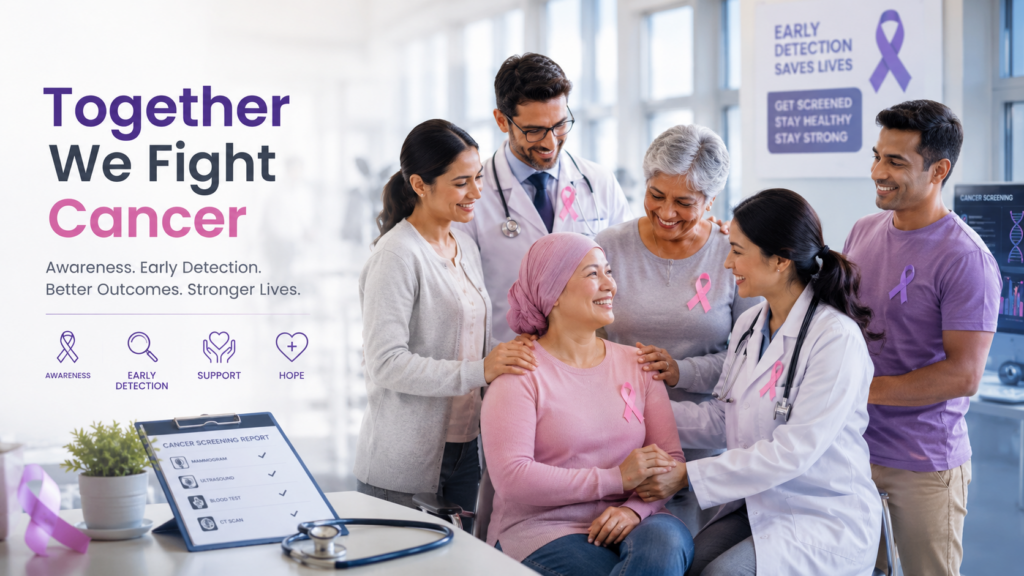
Early Signs and Symptoms of Cancer –
One of the most common early warning signs is unexplained weight loss. Sudden weight changes without any shift in diet or exercise can indicate underlying conditions such as pancreatic cancer, lung cancer, or digestive cancers
Esophageal Cancer: Symptoms and Support Changes in eating or swallowing habits are often early red flags. Many patients and caregivers actively search for support for esophageal cancer because this condition frequently causes difficulty swallowing, chest discomfort, throat pain, and unintentional weight loss.
Lung Cancer: Symptoms, Top Hospitals, and Targeted Therapy A chronic cough, chest pain, shortness of breath, or coughing up blood are warning signs that should be evaluated immediately.
Pancreatic Cancer: Symptoms, Diet, and Choosing the Right Hospital Digestive symptoms such as abdominal pain, jaundice, nausea, appetite loss, and persistent discomfort may be associated with pancreatic cancer.
Oral Cancer: Early Signs and How to Prevent It Oral cancer can develop silently in its early stages, which is why awareness is especially critical. A most effective steps include avoiding tobacco products, reducing alcohol consumption, maintaining good oral hygiene, getting the HPV vaccine, and attending regular dental checkups.
Supporting a Cancer Patient: Care Packages and Emotional Well-Being Cancer affects patients not only physically but also emotionally. Families and caregivers often prepare a thoughtful care package for a cancer patient to provide comfort during treatment.
Support for Esophageal Cancer Patients
Esophageal cancer is a serious condition that affects the esophagus, the tube that carries food from the mouth to the stomach. Patients diagnosed with this disease often face physical, emotional, and nutritional challenges throughout treatment and recovery.
One of the most common symptoms of esophageal cancer is difficulty swallowing, which can make eating painful and stressful. Patients may also experience fatigue, throat pain, and reduced appetite. Because nutrition becomes difficult during treatment, doctors often recommend soft foods, protein-rich meals, smoothies, soups, yogurt, and hydration drinks to help patients maintain strength and energy levels.
Emotional support is equally important for cancer patients and their families. A diagnosis of cancer can create stress, fear, and anxiety, making counseling and support groups valuable resources during treatment.
Advanced cancer care and specialized hospitals also play a major role in treatment success. Patients often research the best lung cancer hospitals and the best hospital for pancreatic cancer to understand how leading medical centers provide advanced therapies.
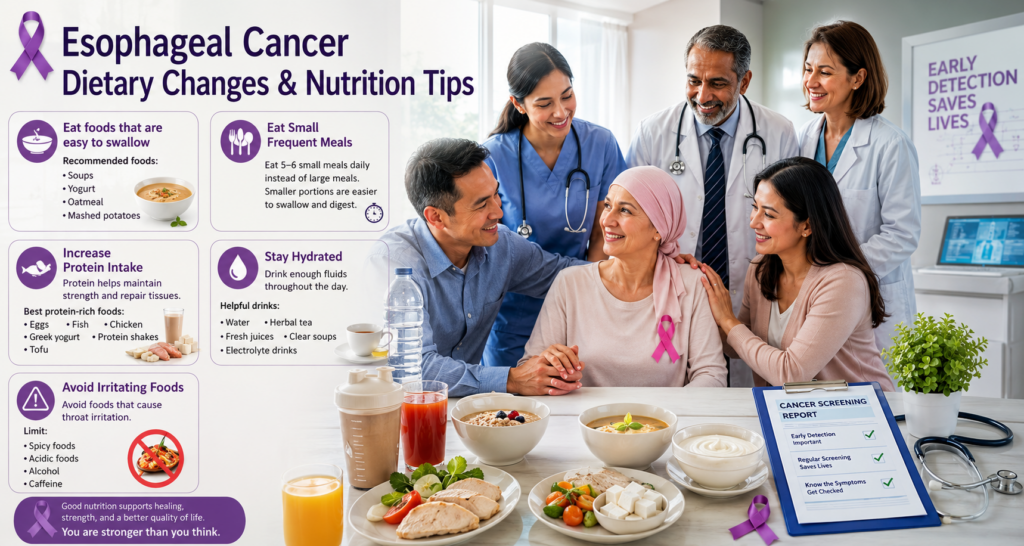
Esophageal Cancer Dietary Changes & Nutrition Tips –
- Eat foods that are easy to swallow-
Recommended foods:
- Soups
- Yogurt
- Oatmeal
- Mashed potatoes
2. Eat Small Frequent Meals –
- Eat 5–6 small meals daily instead of large meals.
- Smaller portions are easier to swallow and digest.
3. Increase Protein Intake –
- Protein helps maintain strength and repair tissues.
- Best protein-rich foods:
- Eggs
- Fish
- Chicken
- Greek yogurt
- Protein shakes
- Tofu
4. Stay Hydrated –
- Drink enough fluids throughout the day.Helpful drinks:
- Helpful drinks
- Water
- Herbal tea
- Fresh juices
- Clear soups
- Electrolyte drinks
5. Avoid Irritating Foods –
- Avoid foods that cause throat irritation.
- Limit:
- Spicy foods
- Acidic foods
- Alcohol
- Carbonated drinks
Care Package for Cancer Patient
A care package for cancer patient support is a thoughtful way to provide comfort, emotional strength, and daily essentials during treatment. Cancer patients often experience fatigue, stress, nausea, dry skin, and emotional challenges, so simple supportive items can make a big difference in their recovery journey.
Important Items to Include
- Healthy snacks and protein bars
- Herbal teas and hydration drinks
- Lip balm and gentle skincare products
- Soft blankets and comfortable socks
- Books, journals, or puzzle games
- Inspirational notes and motivational cards
Why Care Packages Matter
- Provide emotional comfort during treatment
- Help reduce stress and anxiety
- Support physical wellness and hydration
- Encourage positivity and motivation
- Make patients feel cared for and supported
Best Lung Cancer Hospitals & Advanced Treatments
Choosing the best lung cancer hospitals is important for accurate diagnosis, advanced treatment, and better recovery outcomes. Top cancer hospitals provide experienced oncologists, advanced technology, personalized treatment plans, and complete patient care throughout the cancer journey.
Advanced Lung Cancer Treatments
1. Targeted Therapy for Lung Cancer
- Reduces damage to healthy cells.
- Targets specific cancer cells directly.
- Effective for certain genetic mutations.
2. Immunotherapy
- Helps the immune system fight cancer cells.
- Often used in advanced lung cancer cases.
3. Chemotherapy
- Uses medicines to destroy cancer cells.
- Commonly combined with other treatments.
4. Radiation Therapy
- Uses high-energy rays to shrink tumors.
- Helps control pain and symptoms.
5. Minimally Invasive Surgery
Supports faster recovery and reduced pain.
Removes tumors with smaller incisions.
Features of the Best Lung Cancer Hospitals
- Advanced diagnostic technology
2. Experienced cancer specialists
3. Personalized treatment plans
4. Multidisciplinary cancer care teams
5. Nutritional and emotional support services
6. Access to modern therapies and clinical trials
Importance of Early Detection
Early diagnosis improves treatment success and survival rates. Symptoms like chronic cough, chest pain, breathing difficulty, and unexplained weight loss should never be ignored.
Targeted Therapy for Lung Cancer Explained
Targeted therapy for lung cancer is an advanced treatment that focuses on attacking specific cancer cells without causing major damage to healthy cells. Unlike traditional chemotherapy, targeted therapy works by identifying genetic mutations or proteins that help cancer grow and spread.
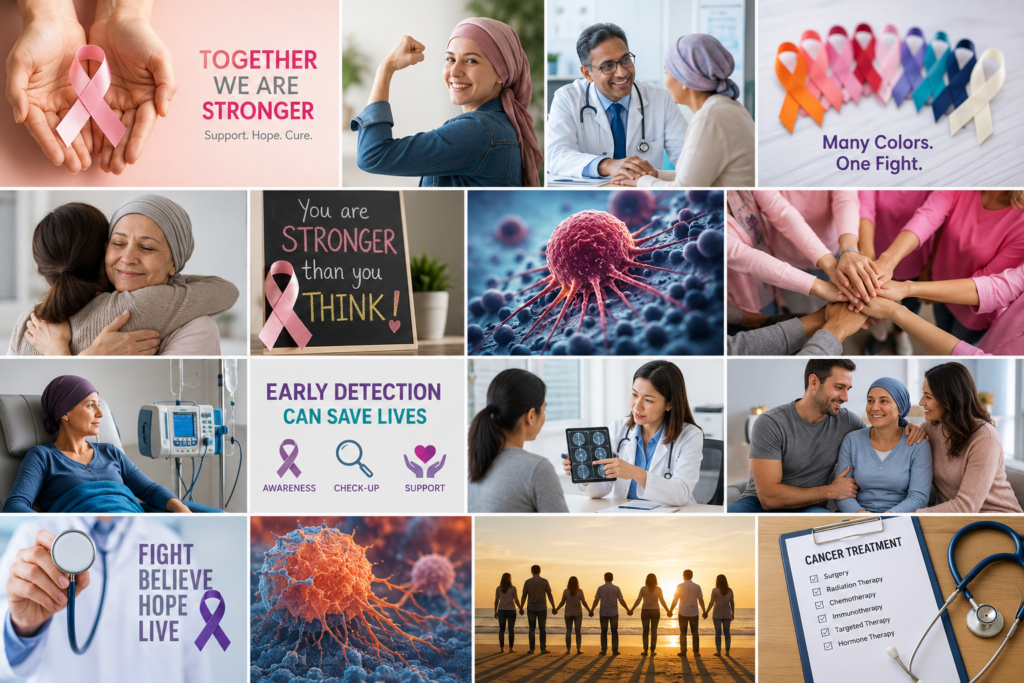
Care Package for Cancer Patient
A care package for cancer patient support is a thoughtful way to provide comfort, emotional strength, and daily essentials during treatment. Cancer patients often experience fatigue, stress, nausea, dry skin, and emotional challenges, so simple supportive items can make a big difference in their recovery journey.
Important Items to Include :
- Healthy snacks and protein bars
- Herbal teas and hydration drinks
- Lip balm and gentle skincare products
- Soft blankets and comfortable socks
- Books, journals, or puzzle games
- Inspirational notes and motivational cards
Why Care Packages Matter
- Provide emotional comfort during treatment
- Help reduce stress and anxiety
- Support physical wellness and hydration
- Encourage positivity and motivation
- Make patients feel cared for and supported
Best Lung Cancer Hospitals & Advanced Treatments
Choosing the best lung cancer hospitals is important for accurate diagnosis, advanced treatment, and better recovery outcomes. Top cancer hospitals provide experienced oncologists, advanced technology, personalized treatment plans, and complete patient care throughout the cancer journey.
Advanced Lung Cancer Treatments
1. Targeted Therapy for Lung Cancer
- Targets specific cancer cells directly.
- Reduces damage to healthy cells.
- Effective for certain genetic mutations.
2. Immunotherapy
- Helps the immune system fight cancer cells.
- Often used in advanced lung cancer cases.
3. Chemotherapy
- Uses medicines to destroy cancer cells.
- Commonly combined with other treatments.
4. Radiation Therapy
- Uses high-energy rays to shrink tumors.
- Helps control pain and symptoms.
5. Minimally Invasive Surgery
Supports faster recovery and reduced pain.
Removes tumors with smaller incisions.
Importance of Early Detection
Early diagnosis improves treatment success and survival rates. Symptoms like chronic cough, chest pain, breathing difficulty, and unexplained weight loss should never be ignored.
Targeted Therapy for Lung Cancer Explained
Targeted therapy for lung cancer is an advanced treatment that focuses on attacking specific cancer cells without causing major damage to healthy cells. Unlike traditional chemotherapy, targeted therapy works by identifying genetic mutations or proteins that help cancer grow and spread.
How Targeted Therapy Works
- Targets specific cancer-causing genes or proteins
- Slows or stops cancer cell growth
- Reduces damage to normal healthy cells
- Often used for non-small cell lung cancer (NSCLC)
Common Benefits
Better quality of life for many patients
More precise treatment approach
Fewer side effects compared to chemotherapy
Improved treatment effectiveness
Common Side Effects
- Fatigue
- Skin rash
- Diarrhea
- Loss of appetite
- Mouth sores
Combination with Other Treatments
Targeted therapy may be combined with:
Surgery
Chemotherapy
Immunotherapy
Radiation therapy
Targeted Therapy for Lung Cancer Explained
Targeted therapy for lung cancer is an advanced treatment that focuses on attacking specific cancer cells without causing major damage to healthy cells. Unlike traditional chemotherapy, targeted therapy works by identifying genetic mutations or proteins that help cancer grow and spread.
How Targeted Therapy Works
- Targets specific cancer-causing genes or proteins
- Slows or stops cancer cell growth
- Reduces damage to normal healthy cells
- Often used for non-small cell lung cancer (NSCLC)
Common Benefits
- More precise treatment approach
- Fewer side effects compared to chemotherapy
- Improved treatment effectiveness
- Better quality of life for many patients
Best Hospital for Pancreatic Cancer
Choosing the best hospital for pancreatic cancer is extremely important because pancreatic cancer requires specialized treatment, advanced technology, and experienced oncology teams.
Features of the Best Pancreatic Cancer Hospitals
1. Experienced Cancer Specialists
- Skilled oncologists and pancreatic surgeons
- Multidisciplinary cancer care teams
- Personalized treatment planning
2. Advanced Diagnostic Technology
- Early cancer detection tools
- MRI, CT scans, and biopsy services
- Genetic and molecular testing
3. Advanced Treatment Options
- Surgery for tumor removal
- Chemotherapy
- Radiation therapy
- Immunotherapy
Pancreatic Cancer Diet & Recovery Tips
Patients often experience weight loss, fatigue, nausea, digestive issues, and appetite changes during treatment, making proper nutrition essential for overall health.
Important Diet Tips
1. Eat Small Frequent Meals
- Eat 5–6 small meals daily instead of large meals.
- Helps improve digestion and energy levels.