
Medical Cannabis Seizure Treatment: Understanding Seizure Treatment, Symptoms, Causes, and Care
A seizure happens when the brain’s electrical activity suddenly changes. This change can affect movement, awareness, or behavior. Some seizures last only a few seconds, while others last several minutes. Understanding the condition and seeking the right seizure treatment can help manage symptoms, reduce seizure frequency, and improve overall quality of life.
Seizures affect the brain in different ways. For example, some seizures cause stiffness. Others cause jerking movements. In addition, some seizures cause a person to simply stare into space.
It is important to know that one seizure does not always mean epilepsy. However, repeated seizures often lead to an epilepsy diagnosis. Because of this, proper diagnosis matters a great deal.
Many treatment options exist today. These include medication, lifestyle changes, and therapy. Meanwhile, some patients explore medical cannabis seizure treatment as an additional option under physician supervision. This guide explains seizures in simple terms so you can make informed decisions.
What Is a Seizure? How Medical Cannabis Seizure Treatment May Help
A seizure is a sudden burst of abnormal electrical activity in the brain. Normally, brain cells send signals in an organized way. During a seizure, however, these signals fire too quickly or too randomly.
This electrical disruption can affect how a person moves, thinks, or feels. Some seizures cause visible symptoms like shaking. Others are harder to notice, especially if the person only stares blankly for a few seconds.
Seizures can happen once or repeatedly. A single seizure may result from fever, stress, or low blood sugar. Repeated seizures, though, often point to epilepsy, a condition marked by ongoing seizure activity.
Early diagnosis improves outcomes significantly. Many people respond well to proper seizure treatment once a doctor identifies the cause. Therefore, seeing a specialist early is always a smart step.
History of Seizures: From Ancient Beliefs to Modern Medicine

Ancient civilizations often believed seizures had spiritual causes. Many cultures thought seizures were signs of possession or divine punishment. As a result, treatment often involved rituals instead of medicine.
Hippocrates changed this view. He suggested that seizures actually came from the brain, not spirits. This idea was revolutionary for its time.
Centuries later, scientists developed the EEG, or electroencephalogram. This device measures electrical activity in the brain. Consequently, doctors could finally see what happens during a seizure.
Modern medicine now understands epilepsy far better than before. In recent years, researchers have also shown growing interest in cannabinoids. This has led to expanded research on medical cannabis seizure treatment as a possible option for certain patients.
Types of Seizures You Should Know About
Understanding the different types of seizures helps patients and families recognize symptoms early. Seizures generally fall into three main categories.
Focal Seizures
Focal seizures start in one area of the brain. They come in two forms:
1. Impaired awareness focal seizures—the person loses awareness during the episode.
2. Aware focal seizures – the person stays conscious.
Unknown Onset Seizures
Sometimes, doctors cannot determine where a seizure begins. These are called unknown onset seizures. Further testing is often needed to classify them accurately.
Generalized Seizures
Generalized seizures affect both sides of the brain at once. Common types include:
1. Atonic seizures – sudden loss of muscle tone, often causing falls.
2. Absence seizures – brief staring spells.
3. Tonic seizures – sudden muscle stiffness.
4. Clonic seizures – repeated jerking movements.
5. Tonic-clonic seizures – a combination of stiffness and jerking.
6. Myoclonic seizures – quick, sudden muscle twitches.

Tonic vs Clonic Seizure: What Is the Difference?
Many people confuse tonic and clonic seizures. However, they are quite different. The table below breaks down the tonic vs clonic seizure comparison simply.
Tonic Seizure
1. Muscles suddenly become stiff
2. Usually lasts a few seconds
3. Body becomes rigid
4. A person may fall suddenly
Clonic Seizure
1. Repeated muscle jerking occurs
2. Often involves rhythmic movements
3. Body repeatedly contracts
4. Person may lose balance
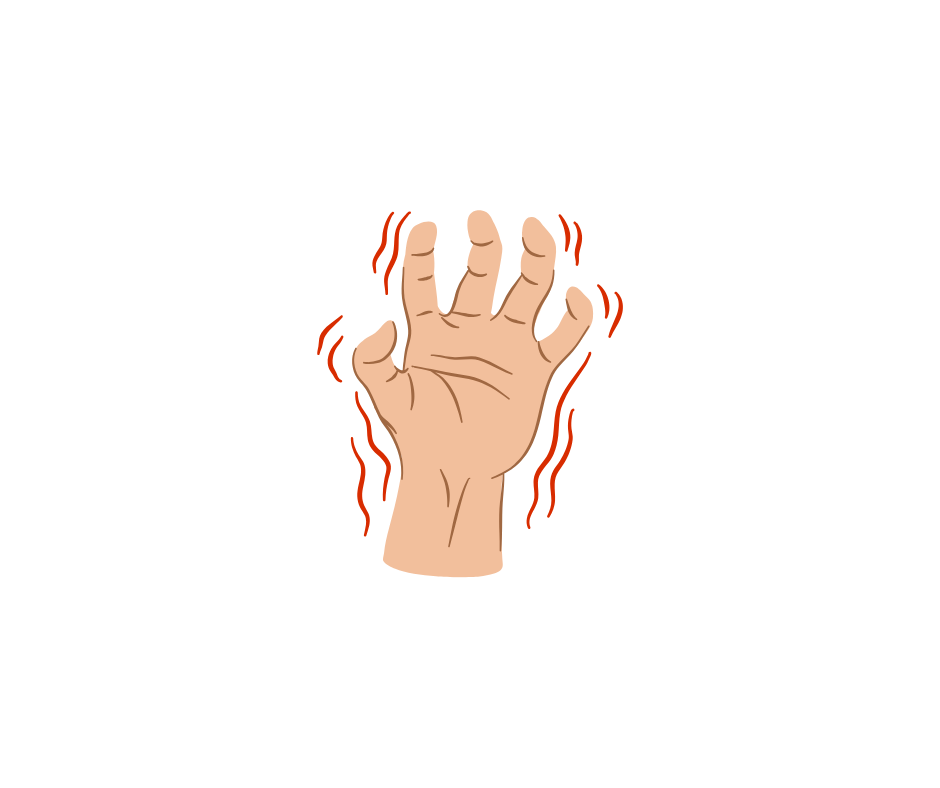
Some seizures combine both phases. These are called tonic-clonic seizures. First, the body stiffens. Then, jerking movements follow shortly after.
Common Symptoms of Seizures
Seizure symptoms vary widely from person to person. Because of this variation, recognizing symptoms early can be challenging. Common symptoms may include:
1. Loss of awareness
2. Confusion after the episode
3. Staring spells
4. Muscle stiffness
5. Jerking movements
6. Sudden falls
7. Strange smells or tastes
8. Tingling sensations
9. Lip-smacking
10. Temporary memory loss
Symptoms differ depending on the types of seizures a person experiences. For instance, a focal seizure may only cause tingling in one hand. Meanwhile, a generalized seizure may affect the entire body.
What Causes Seizures?
Seizures happen for many different reasons. Understanding the cause helps doctors choose the right treatment. Common causes include
Metabolic disorders
Brain injury
Stroke
High fever, especially in children
Brain infections
Brain tumors
Genetic factors
Lack of sleep
Alcohol withdrawal
Certain medications
A common question is whether are seizures hereditary. Some seizures do have an inherited genetic component. Many others, however, occur because of acquired medical conditions like injury or infection. Therefore, a family history does not always mean a person will develop seizures.
Stress and Epilepsy Seizures: Is There a Connection?
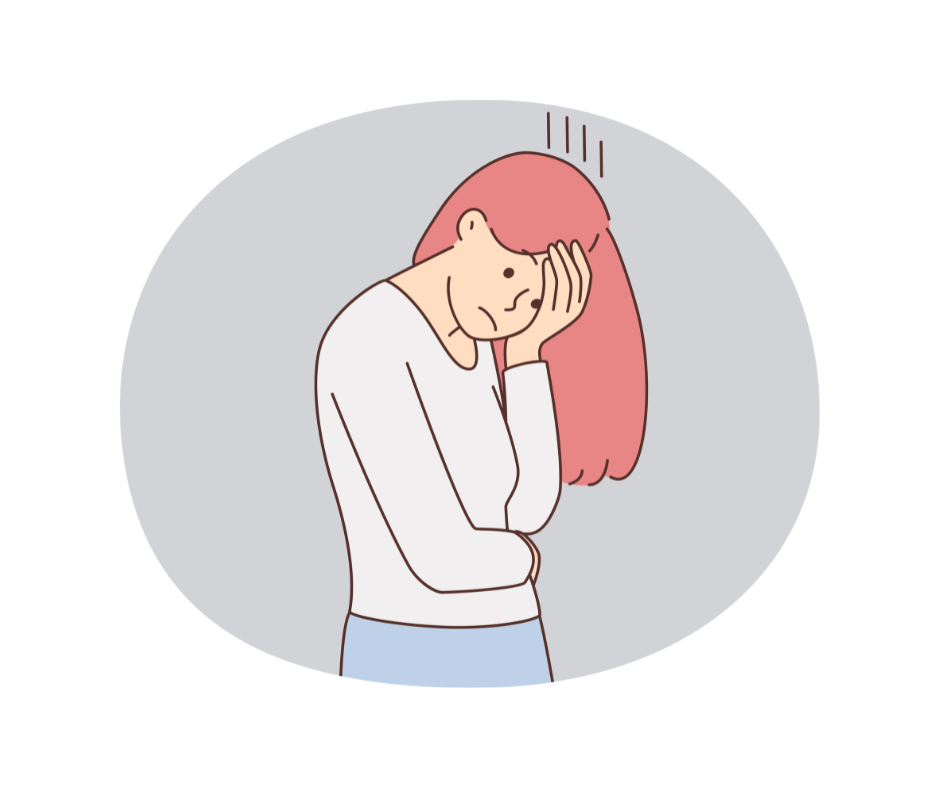
Many patients wonder about stress and epilepsy seizures. Stress itself usually does not directly cause epilepsy. However, stress may trigger seizures in people who already have the condition.
Several stress-related factors can increase seizure risk. These include anxiety, emotional stress, poor sleep, and hormonal changes. Because stress affects the whole body, it can indirectly influence brain activity too. Fortunately, practical steps can help manage stress-related triggers:
Prioritize better sleep habits
Practice meditation or deep breathing
Take medications consistently
Exercise regularly
Consider counseling or therapy
By managing stress, many patients notice fewer seizure episodes overall.
Sleep Seizures: Why Do Some Seizures Happen at Night?
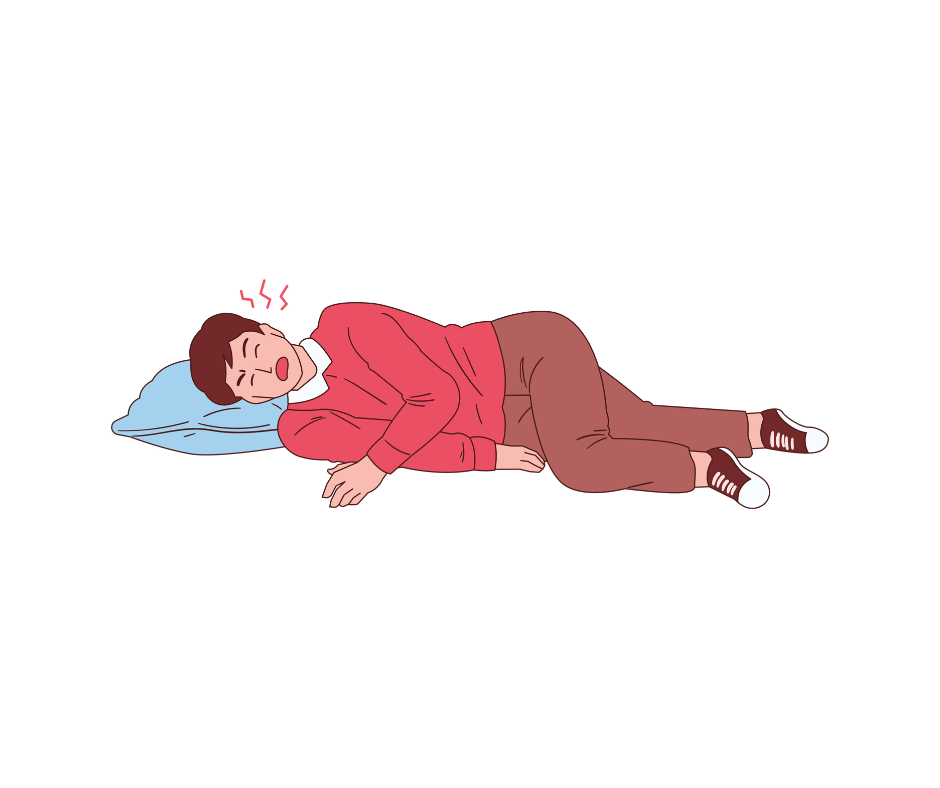
Sleep seizures occur during sleep or while a person is falling asleep or waking up. These episodes can be harder to detect since no one may be watching.
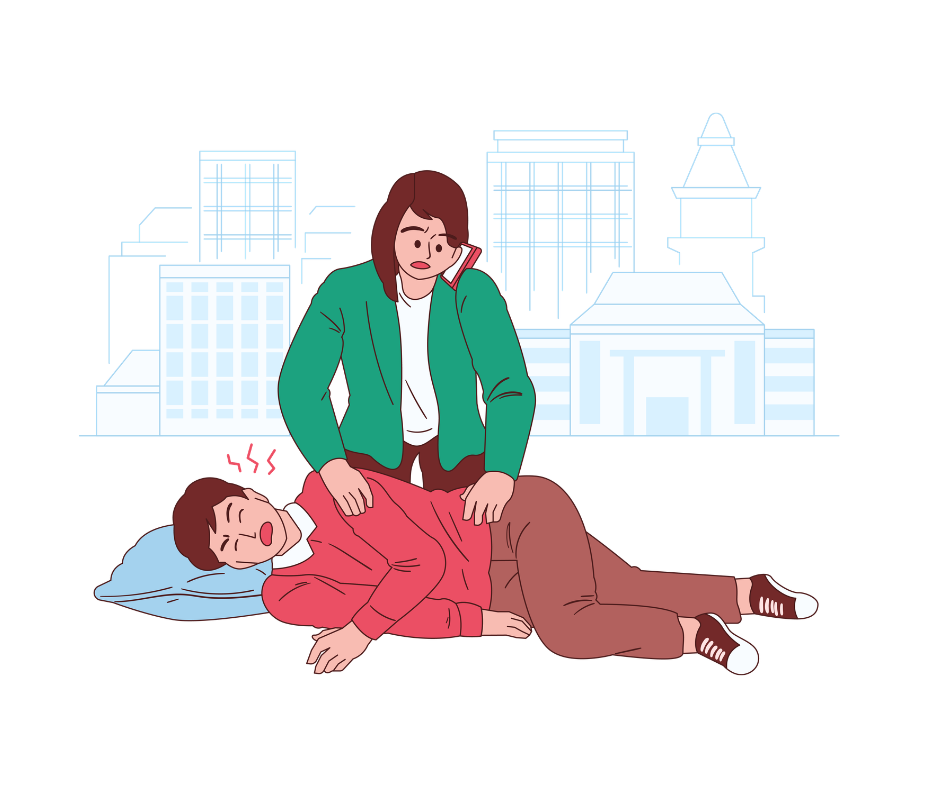
Common signs of sleep seizures include morning confusion, tongue biting, and bedwetting. Additionally, a person may wake suddenly without knowing why. Family members sometimes notice unusual sounds or movements during the night.
Several risk factors increase the chance of sleep seizures. Poor sleep hygiene is one major factor. Irregular sleep schedules and sleep deprivation can also play a role. Therefore, maintaining consistent sleep habits is essential for reducing nighttime episodes.
How Doctors Diagnose Seizures
Accurate diagnosis is the first step toward effective treatment. Doctors use several tools to understand what is happening in the brain.
Medical history – reviewing symptoms and family background
Neurological examination – checking reflexes and coordination
EEG – measuring electrical brain activity
MRI – producing detailed brain images
CT scan – identifying structural brain issues
Blood tests – ruling out metabolic causes
Video EEG monitoring – recording seizures as they happen
Diagnosis is necessary before choosing medical cannabis seizure treatment or any other option. Without a clear diagnosis, treatment may not target the actual cause.
Seizure Treatment Options Available Today
Several seizure treatment approaches exist today. The right option depends on seizure type, severity, and patient history.
Anti-Seizure Medications
These medications remain the most common first-line treatment. They work by calming excess electrical activity in the brain.

Lifestyle Changes
Simple changes like better sleep and stress management often reduce seizure frequency. These changes work well alongside medical treatment.
Surgery
In some cases, doctors recommend surgery to remove the area causing seizures. This option usually applies to focal seizures that do not respond to medication.
Medical Cannabis Seizure Treatment
Medical cannabis seizure treatment may help certain patients with treatment-resistant epilepsy. This option must always be physician supervised. It is not suitable for everyone, and it should only be used according to state laws and medical guidance.
For eligible patients, medical cannabis seizure treatment offers an additional path when other options have not worked well. Because every patient is different, a doctor must evaluate whether medical cannabis seizure treatment fits an individual’s specific needs.
CBD for Seizures: What Does Research Say?
Many patients ask about CBD for seizures as part of their treatment plan. CBD, or cannabidiol, differs from THC because it does not cause a “high.” THC is the compound responsible for psychoactive effects.
The FDA has approved a specific CBD medication for certain rare epilepsy syndromes. Research shows promising results for some patients, particularly those with treatment-resistant conditions. However, side effects like fatigue and appetite changes can occur.
Medical supervision remains essential when considering CBD for seizures. This approach often connects closely with broader medical cannabis seizure treatment plans, since both require careful physician oversight and monitoring.
Can Seizures Be Prevented?
While not all seizures are preventable, several strategies can reduce their frequency. Consider the following approaches:
Take medications exactly as prescribed
Maintain a consistent sleep schedule
Manage stress through relaxation techniques
Avoid alcohol consumption
Follow a healthy, balanced diet
Track personal seizure triggers
Attend regular follow-up appointments
Proper management often reduces seizure frequency significantly. Therefore, consistency plays a major role in long-term seizure control.
When Should You See a Doctor Immediately?
Certain situations require emergency medical attention right away. Seek help immediately if any of the following occur:
This is the person’s first seizure
The seizure lasts longer than five minutes
Seizures repeat without full recovery between episodes
The person has difficulty breathing
The person is pregnant
An injury occurs during the seizure
The person has diabetes
The seizure happens in water
Seek emergency care immediately if you notice any of these warning signs. Quick action can prevent serious complications.
Find Expert Care for Seizures
Living with seizures can feel overwhelming. However, you do not have to manage this journey alone. Our team offers compassionate, individualized care for every patient.
Some cancers, especially brain tumor, can increase the risk of seizures. People living with AIDS may develop neurological complications that can trigger seizures.
We encourage you to schedule an evaluation with our specialists today. During your visit, we will discuss all available treatment options together. This includes learning whether medical cannabis seizure treatment may be appropriate for your specific condition.
Every patient deserves a personalized treatment plan. Therefore, our physicians take time to understand your unique symptoms and history. Reach out today to begin your path toward better seizure management.
Frequently Asked Questions
Treatment depends on seizure type, medical history, and underlying cause. A doctor can recommend the best option after proper evaluation.
It may be appropriate for some patients under medical supervision. However, it is not right for everyone.
Some forms have a genetic component. Many others, though, do not involve family history at all.
Stress usually acts as a trigger rather than the root cause. It rarely causes epilepsy on its own.
They are seizures that occur during sleep, or while a person is falling asleep or waking up.