
- December 15, 2025
- Singh Kuldeep
- Comment: 0
- Uncategorized
Understanding Epilepsy: Symptoms, Causes, Treatment & Management

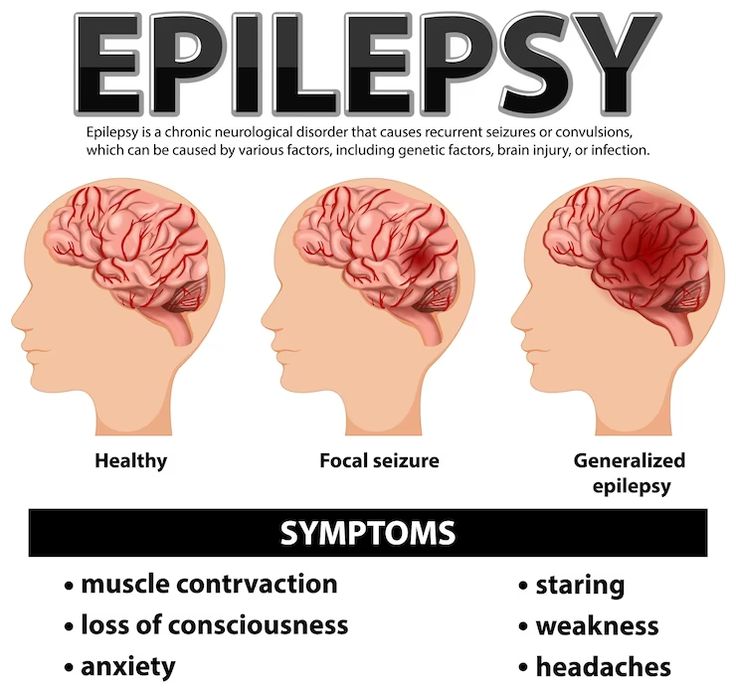
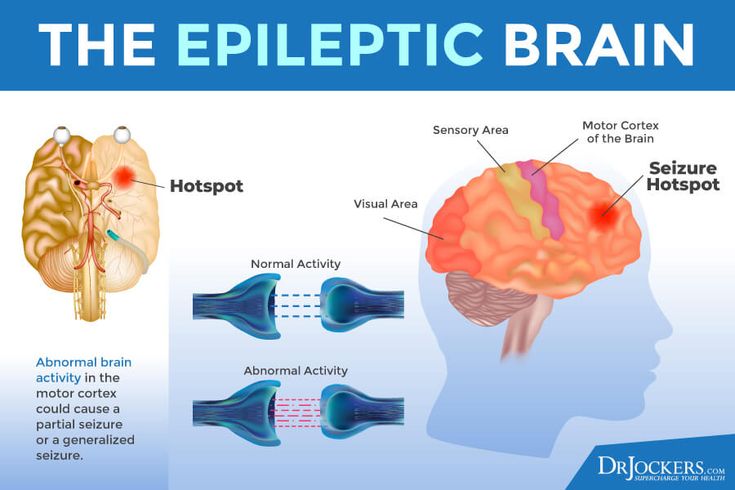
There are many kinds of seizures caused by epilepsy, one of the most common neurological disorders in the world today. Epileptic seizures occur when there is a surge of electrical impulses in the brain that causes the brain’s normal functioning to be interrupted. The impact that seizures have upon an individual physically, mentally and sensorily varies greatly based upon the intensity and duration of the individual seizure.
A seizure may be quite mild in nature (lasting for only seconds) while another seizure may result in total unconsciousness or spasms and bizarre behavior. Knowledge of different types of seizures will help facilitate the early identification and diagnosis of epilepsy so that proper and efficient treatment can be provided to improve an individual’s quality of life.
What Is Epilepsy?
Epilepsy can result from various issues that come from all sorts of places. The origin of many cases of epilepsy is unknown (idiopathic), but here are some known contributor factors to the development of epilepsy: Genetic factors and family history; Head injury and/or trauma due to accidents; Stroke and/or cerebrovascular disease; and brain infections like meningitis and encephalitis; developmental disorders and prenatal injuries; and tumours or structural abnormalities the World Health Organization (WHO) states.
It is important to note that epilepsy does not have the ability to transfer from one person to another. World Health Organisation Also, WORLD HEALTH ORGANISATION states that “Epilepsy” is caused by electrical activity within the brain.

Risk Factors & Triggers
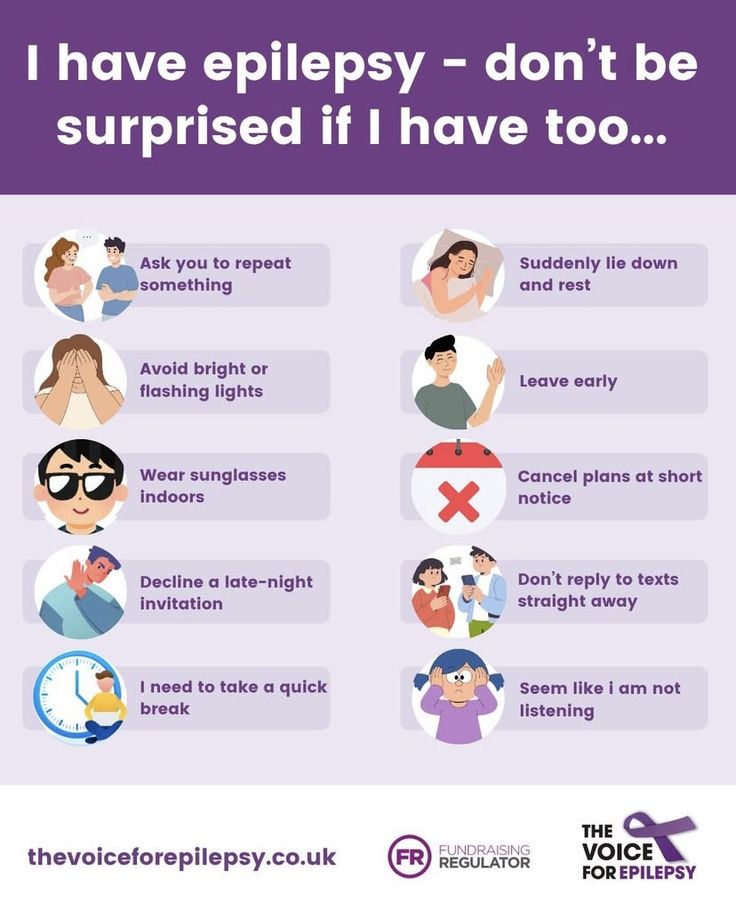
A number of potential triggers (risk factors) increase your probability of developing a seizure or worsening your epilepsy. Some of these triggers are sleep deprivation, significant emotional distress, alcohol abuse, and the use of specific medications. For people with photosensitive epilepsy, flashing or strobing lights or patterns on TV screens can trigger seizures. Additionally, hormonal fluctuations, missed doses of their medications, and dehydration can all be contributing factors in your seizure events. Identifying and avoiding your individual triggers is an essential component of living well with epilepsy.
Certain factors may increase the risk of developing seizures or triggering seizures in susceptible individuals:
- Sleep deprivation and stress
- Alcohol and substance use
- Skipping medications
- Flashing lights or sensory triggers in photosensitive epilepsy
- Hormonal changes or dehydration MedicalPoint International Hospital+1
Awareness of these triggers and lifestyle modifications can greatly support seizure control and overall well-being.
Diagnosis: How Epilepsy Is Identified
In diagnosing epilepsy, a thorough neurological examination and various types of testing are done by physicians. An EEG is commonly used by physicians to determine the electrical activity of the brain and look for any abnormal brain wave patterns that may indicate seizure activity. An MRI or CT scan can help detect if there may be a medical condition that is causing the problem in the patient’s brain, such as tumors or scar tissue.
Accurate diagnosis is essential. Doctors typically use:
- Electroencephalography (EEG) to record brain waves
- MRI and CT scans to detect structural brain issues
- Medical history and physical exams to rule out other causes Apollo 24|7
Correct diagnosis helps determine the most effective treatment pathway.
Treatment Options for Epilepsy
Epilepsy treatment varies from one patient to another. Generally, the use of anti-seizure drugs is the most prevalent and successful method of treatment, thus, a great number of patients are able to attain considerable seizure control or even complete seizure freedom for a long period of time. Patients who are unfortunately in such a situation where their seizures are medication-resistant might be advised to take alternative steps such as undergoing surgery, vagus nerve stimulation, or following the ketogenic diet. Besides the medical treatment, changes in lifestyle like getting enough sleep, dealing with stress effectively, and keeping away from seizure triggers will also contribute significantly to the overall management of the condition.
Epilepsy treatment is highly personalized and aims to control seizures and improve quality of life. Options include:
1. Anti-Seizure Medications
Most people achieve significant control with medication, and some may become seizure-free with the right regimen. World Health Organization
2. Lifestyle & Dietary Approaches
- Adequate sleep and stress management
- Dietary therapies like the ketogenic diet in specific cases
These supportive strategies can complement medical treatments. Cleveland Clinic
3. Surgery and Advanced Treatments
For people whose seizures do not respond to medication, procedures such as surgical resection or neuromodulation may be recommended. Cleveland Clinic
mcorper mattis, pulvinar dapibus leo.
Living Well with Epilepsy
Immediate medical attention is necessary if a seizure lasts longer than five minutes, occurs repeatedly without recovery, or is accompanied by difficulty breathing or injury. In such cases, quick action can prevent complications and ensure safety.
With proper care, many people with epilepsy lead active, fulfilling lives. Here’s how to manage the condition effectively:
- Follow your treatment plan consistently
- Track seizure patterns in a journal
- Avoid known triggers
- Educate family and friends on seizure first-aid
- Stay connected with your healthcare team Apollo 24|7
When to Seek Immediate Help
Seek medical attention if:
- A seizure lasts longer than 5 minutes
- Two seizures occur back-to-back
- Breathing doesn’t resume after a seizure
- The person is injured or doesn’t regain consciousness promptly Apollo 24|7
Conclusion
In summary, epilepsy is a condition of the nervous system that can be controlled if it is recognized at an early stage and properly treated. A good mix of medical care, lifestyle changes, and support will enable a large number of people with epilepsy to lead healthy and productive lives. Venice Care Clinic is the place to go for a professional assessment and tailored treatment solutions that will help you control seizures and get back your daily life with confidence.
Epilepsy is a condition of the nervous system that can be controlled if it is recognized at an early stage and treated with the right combination of medical care, lifestyle adjustment, and support. Knowing the symptoms, causes, and treatment options is absolutely necessary for the persons with epilepsy and their caregivers as well.
Looking for an expert epilepsy evaluation and a personalized care plan? That is the right moment to get in touch with Venice Care Clinic and make the first move toward effective seizure management.